EHPMI Annual Workshop-2026 in Kyrgyzstan
EHPMI was founded in 2022 in Batumi, Georgia. Representatives of 8 countries of Eastern Europe and Central Asia gathered there to establish a new international organization to help investigate and find solutions to problems of pollution and associated environmental health risks in the region. The founders decided to hold annual meetings to report results of completed projects and expert work in each country, share experience, and coordinate actions.
The next annual meeting was held in May, 2023 in Shymkent, Kazakhstan. The participants of the EHPMI Workshop-2023 also joined a practical training on conducting a field survey of soil contamination with heavy metals using a portable XRF.
In 2024, EHPMI welcomed a Vietnamese organization SOS as a new member. The EHPMI Annual Workshop-2024 was held in Hanoi in a hybrid format, with several EHPMI founders joining online. After the workshop, participants visited one of SOS response stations to learn about methods for cleaning up oil spills and responding to other forms of chemical pollution in Vietnam.
The Annual EHPMI Workshop-2025 was held in Dushanbe, Tajikistan. The workshop included a training session in electronic logging during field surveys using ArcGIS Survey123 application. After the workshop participants visited Vakhsh Hazardous Waste Storage and Settlement #1 (https://ehpmi.org/blog/news/cleanup-of-ddt-burial-in-settlement-1-part-of-fao-regional-project-implemented-by-peshsaf-tajikistan/) – a site cleaned up by EHPMI member Peshsaf as part of an FAO/GEF project. The lessons learned from this cleanup were discussed at the workshop. Full presentation can be found here:
Two main conclusions were made:
- There should be more collaboration between organizations working on POPs in the region and particularly between international and national experts and stakeholders. International experts should help by bringing expertise and building capacity in the country.
- The cleanup in Settlement #1 was a success. However, the cleanup could have been done much sooner and at least 2 times cheaper using different approaches to assessment and remediation.
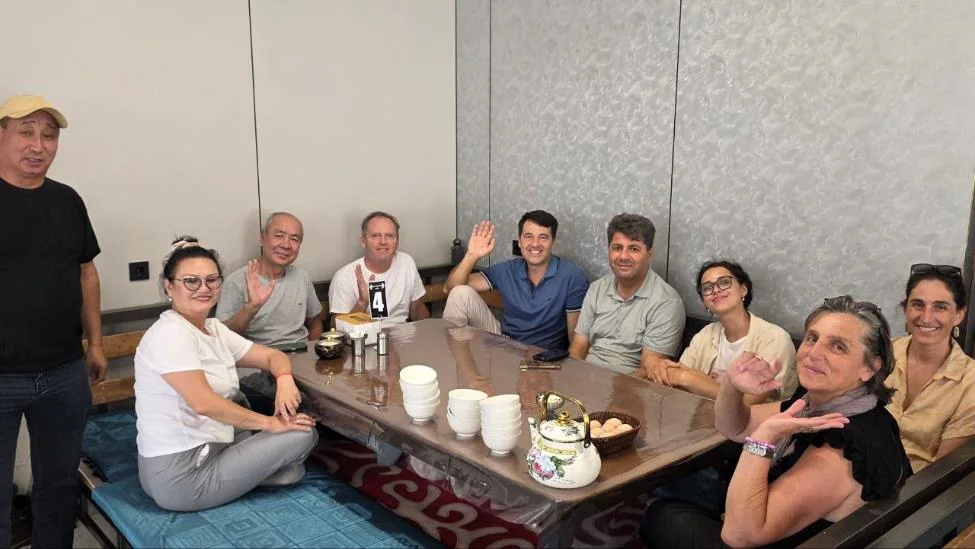
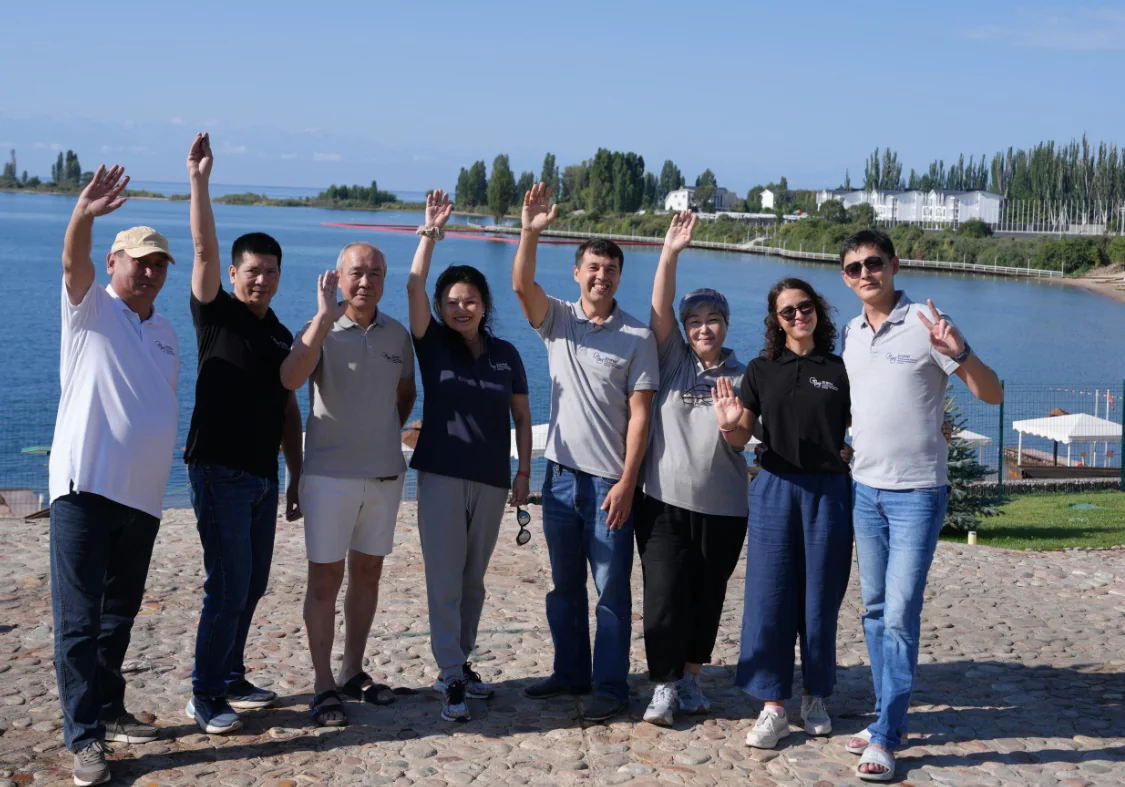
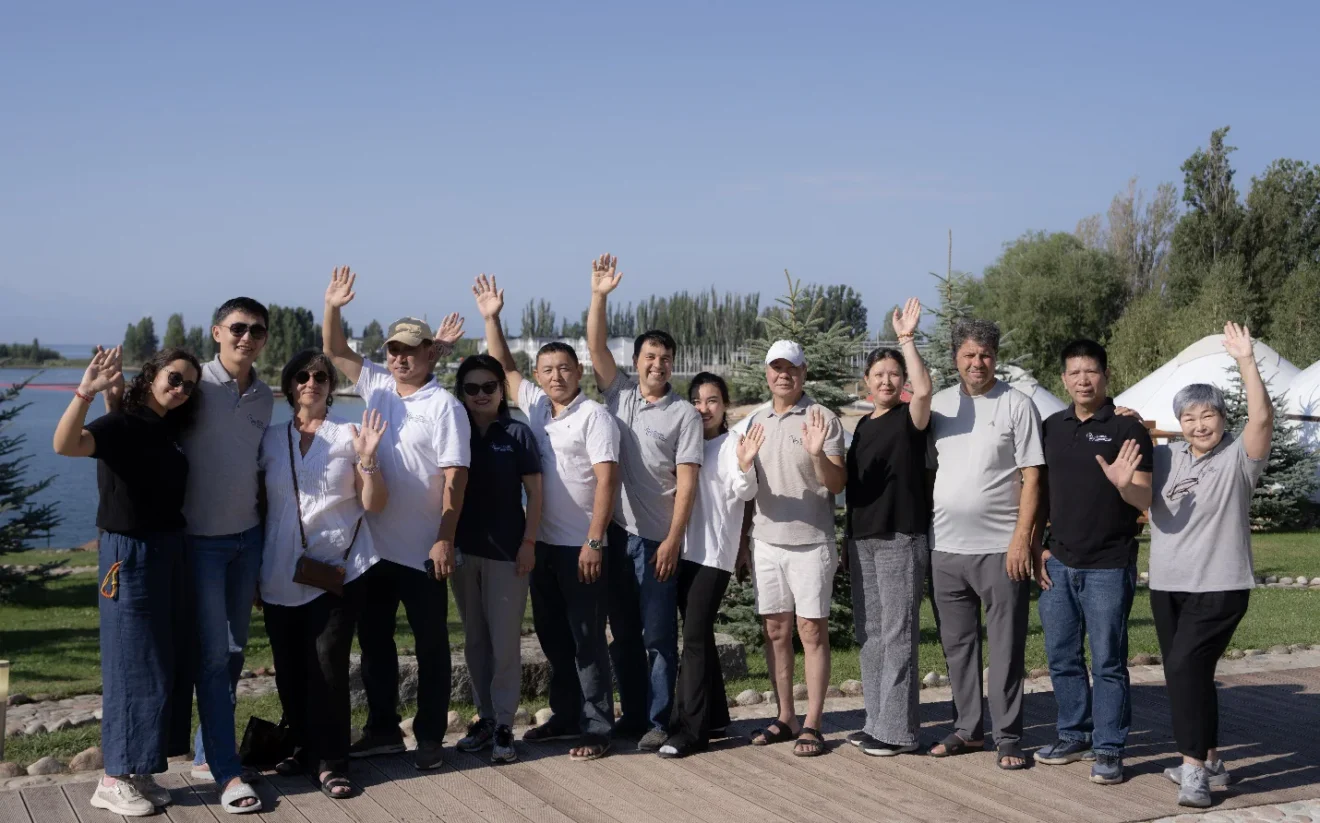
Every year EHPMI selects a new country for conducting annual workshop. EHPMI member Ekois-Bishkek proposed to hold the next meeting in Kyrgyzstan. On 12th of August founders of EHPMI gathered in Cholpan Ata, Kyrgyzstan on the shore of the world deepest mountain lake Issyk-Kul. The meeting was joined by two representatives of TIFO. In 2024 TIFO and EHPMI formed a Partnership for Environmental Health (PEH) and since then closely worked together on lead poisoning issues in Georgia and Kazakhstan.
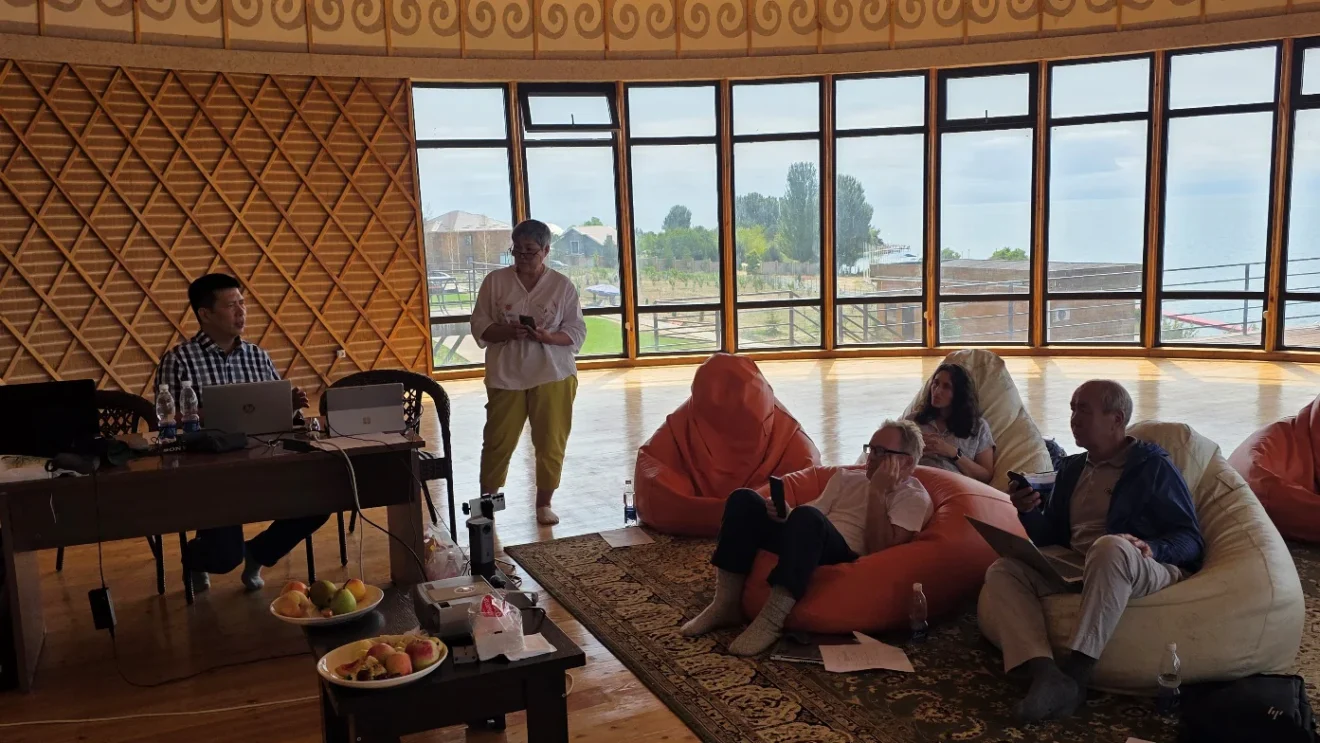
The workshop included the following presentations:
| Presenter | Topic |
|---|---|
| Human Health Institute (Kazakhstan) | Assessments of soil lead contamination in Shymkent and East Kazakhstan and work with stakeholders |
| Ekois-Bishkek (Kyrgyzstan) | Blood national lead testing survey and assessment to determine pathways of exposure of children to lead in Kyrgyzstan. |
| EHPMI HQ | Assessments of soil contamination with heavy metals in Litafoni and work with stakeholders in Georgia. Planned home-based assessments in Imereti region. |
| Peshsaf (Tajikistan) | Work on several projects: District Climate Resilience; GEF/UNEP “Demonstration of Non-Thermal Treatment of DDT Waste in Central Asia; FAO Cleanup of Settlement#1; Solid Waste Management in Dushanbe. |
| SOS (Vietnam) | Digital Platform for Managing Environmental Incident Risks and Response Resources |
| ESCM (Mongolia) | Pollution Monitoring and Resource Management Activities of ESCM |
| EHPMI Azerbaijan | Khorasan Lake Restoration: Aligning Environmental Recovery with the Livable Baku Vision |
| TIFO (USA) | Co-Creation of Environmental Health Projects |
| Environmental Health Council (USA) | Assessment of Historic Mine Impacts in Peru |
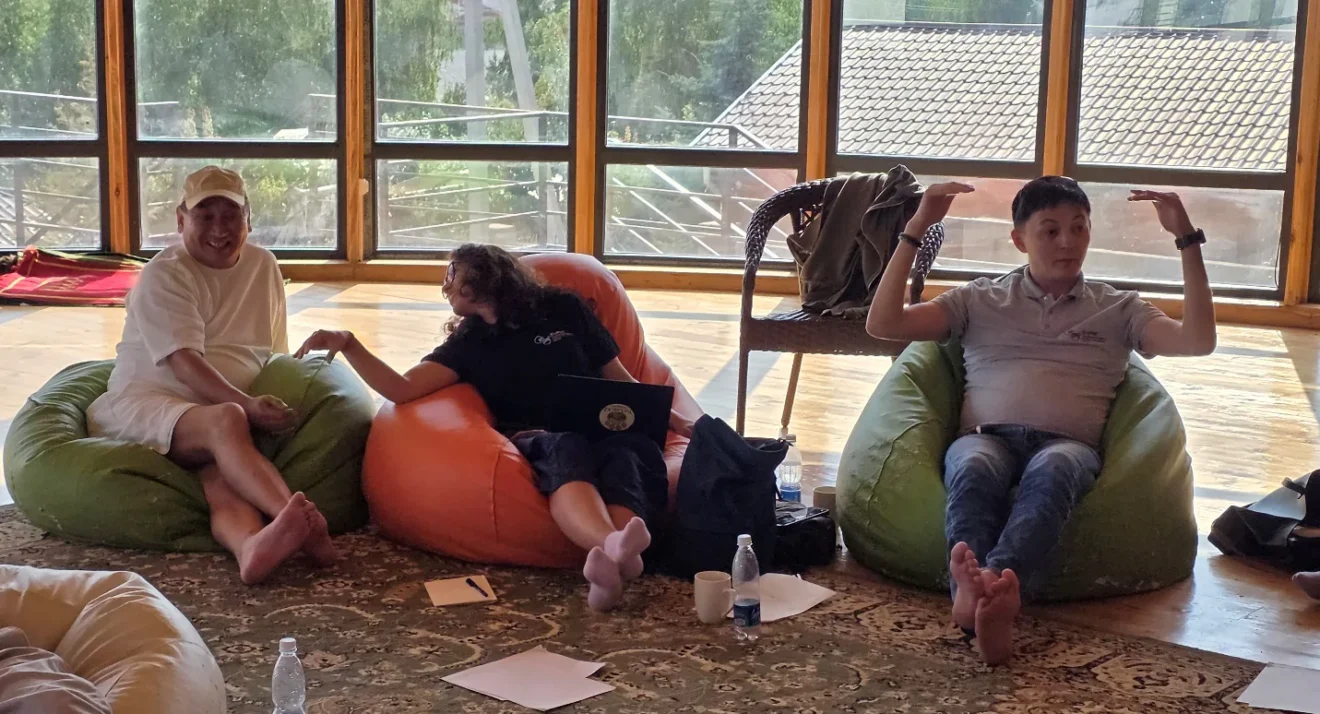
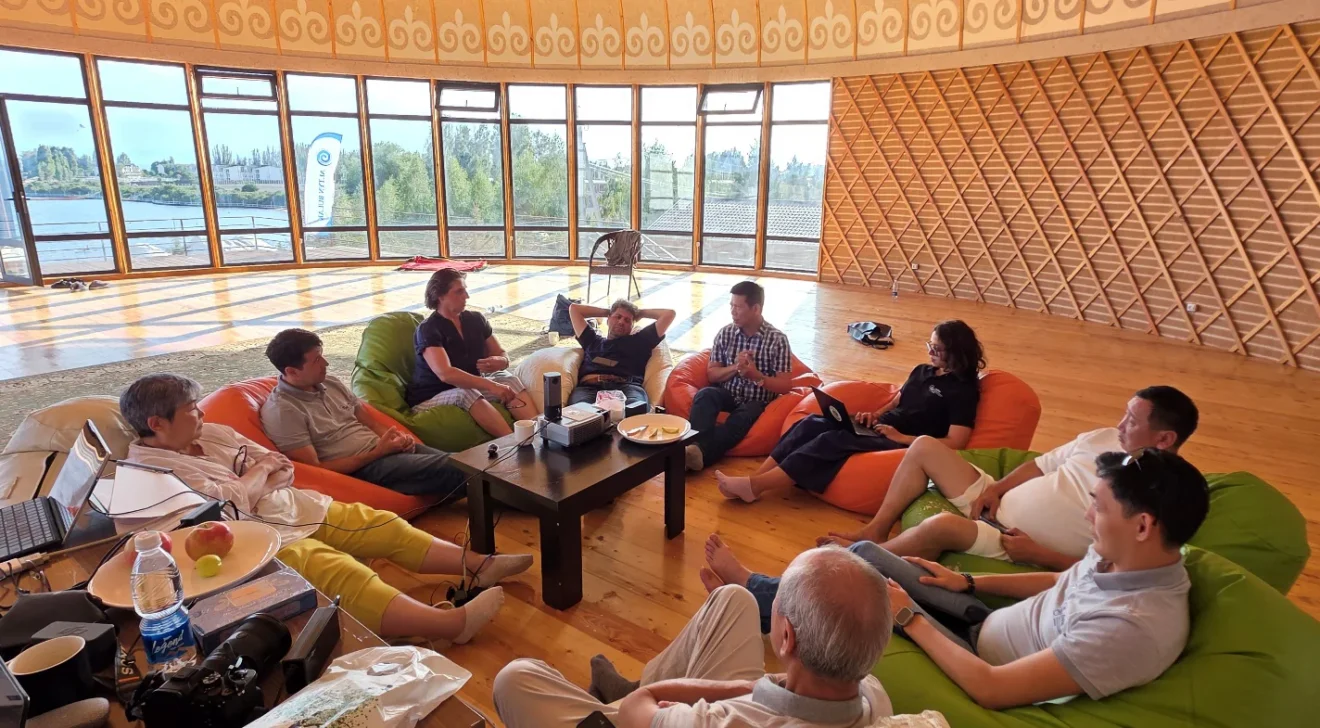
After the presentations the founders of EHPMI had discussions about communication, fundraising, program management, and future development of the organization. Participants highlighted EHPMI’s key strengths: deep knowledge of environmental health and pollution issues in our countries, local presence and a lot of experience in environmental health project work, established working relationships with national governments, contacts with many international organizations and experts. At the same EHPMI faces some challenges: lack of core and project funding, difficulties related to war and geopolitical crises, and lack of capacity for development. Despite these difficulties in the past three years EHPMI HQ successfully implemented or participated in 9 projects and started important initiatives and new partnerships.
The workshop participants discussed and agreed to pursue the idea of developing a joint program to assess and reduce lead poisoning risks from lead exposure in Kazakhstan, Kyrgyzstan, Tajikistan, Uzbekistan, Georgia, Armenia, Azerbaijan, Mongolia, and Vietnam. Together, these countries are home to more than 200 million people. These countries share a lot of common sources of lead exposure linked to long history of mining, metal production, industrial development, used lead-acid batteries, lead-containing products, and occupational exposure. Further expansion of mining, mineral processing, transport, and trade must therefore be accompanied by effective pollution prevention and chemical safety measures, so that economic development does not create new risks or intensify existing health risks.
The workshop reaffirmed the value of EHPMI as a practical platform for cross-border cooperation and sharing expertise in environmental health and pollution issues.