Contact us

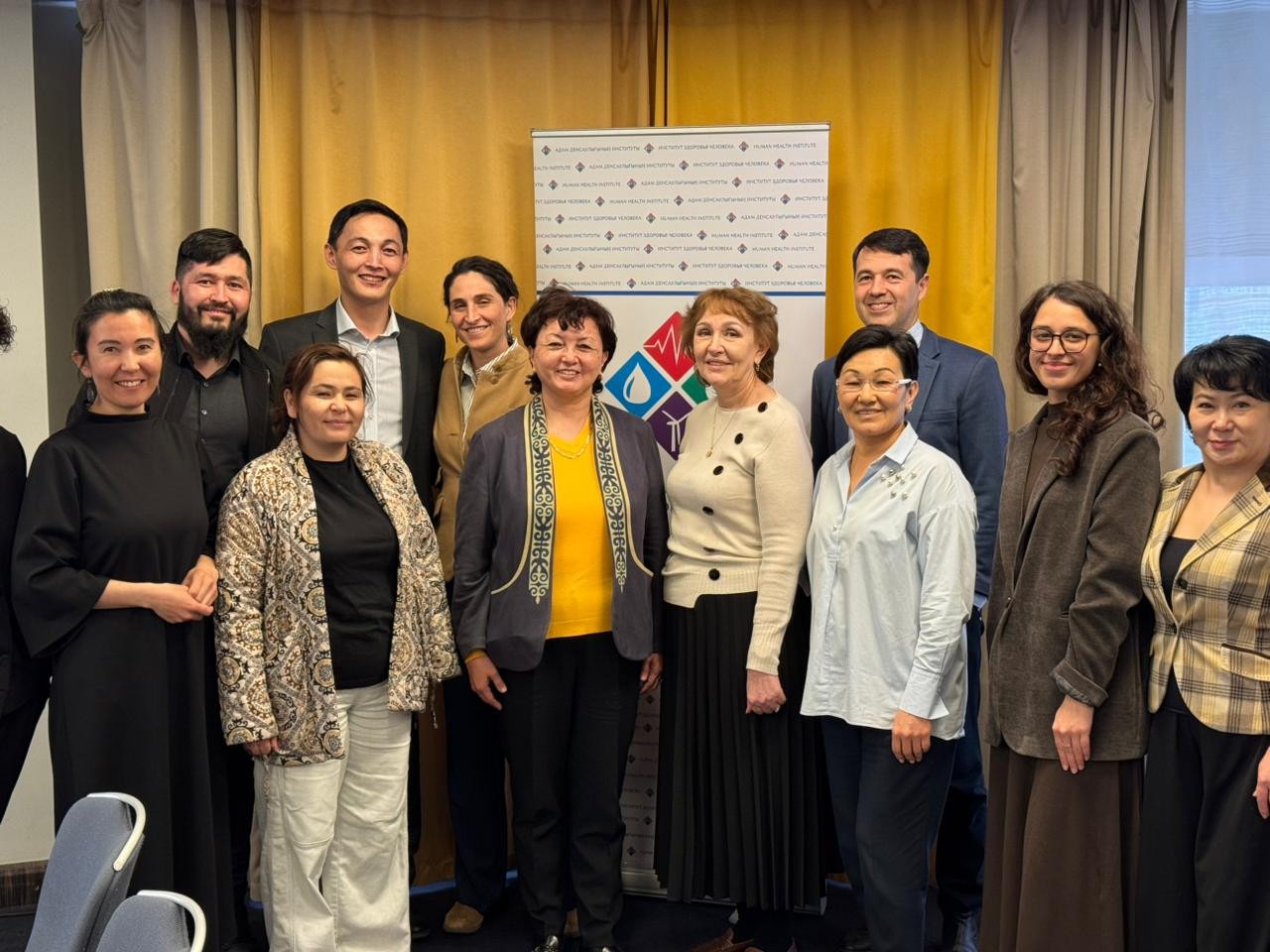
Workshop in Astana on Lead Poisoning of Children in Kazakhstan

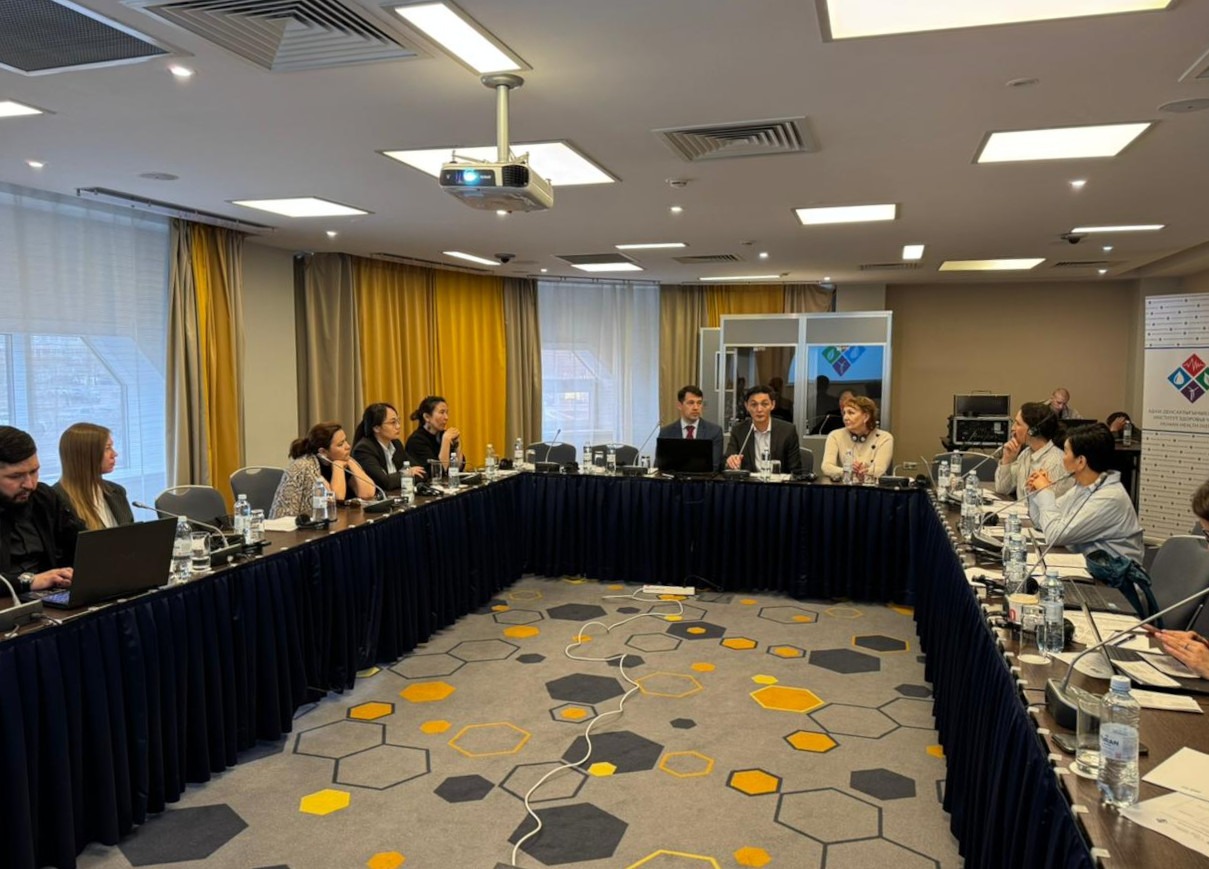
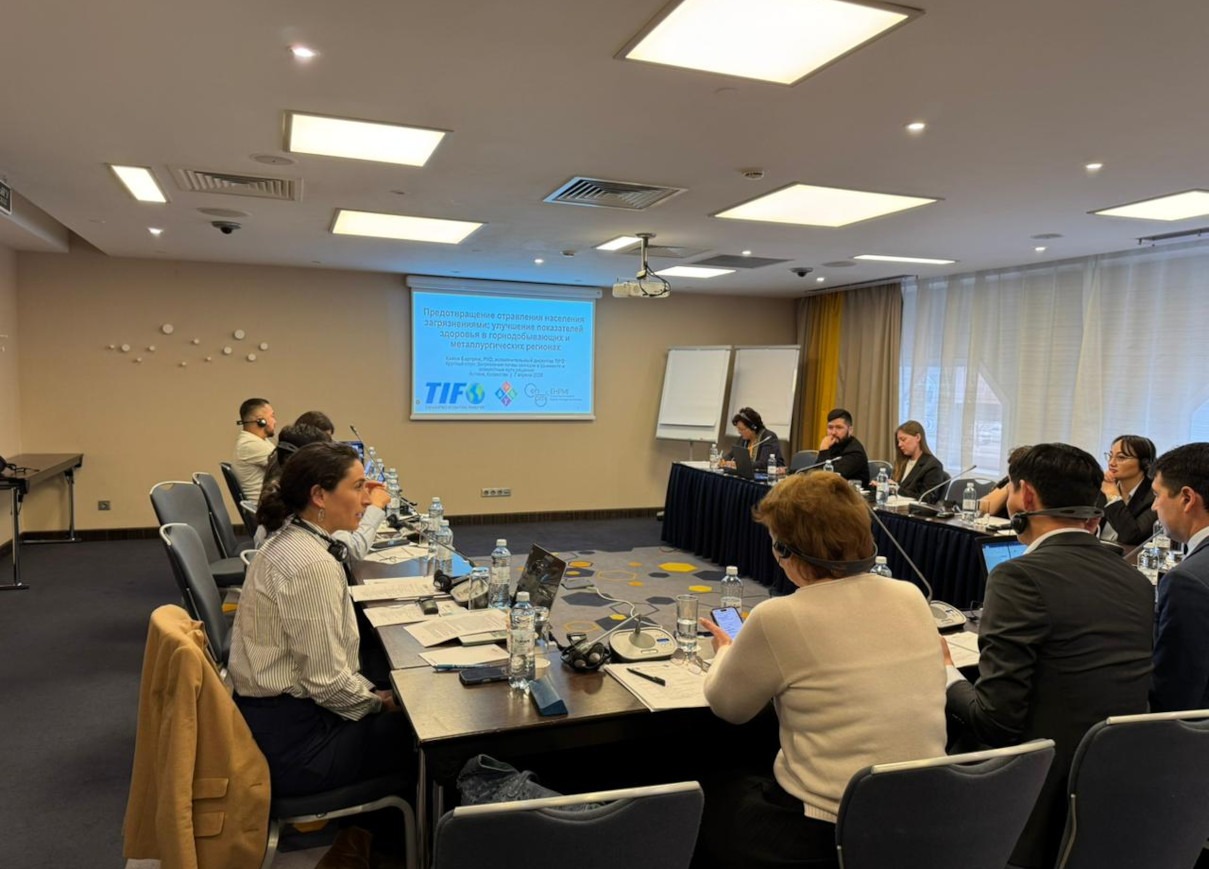
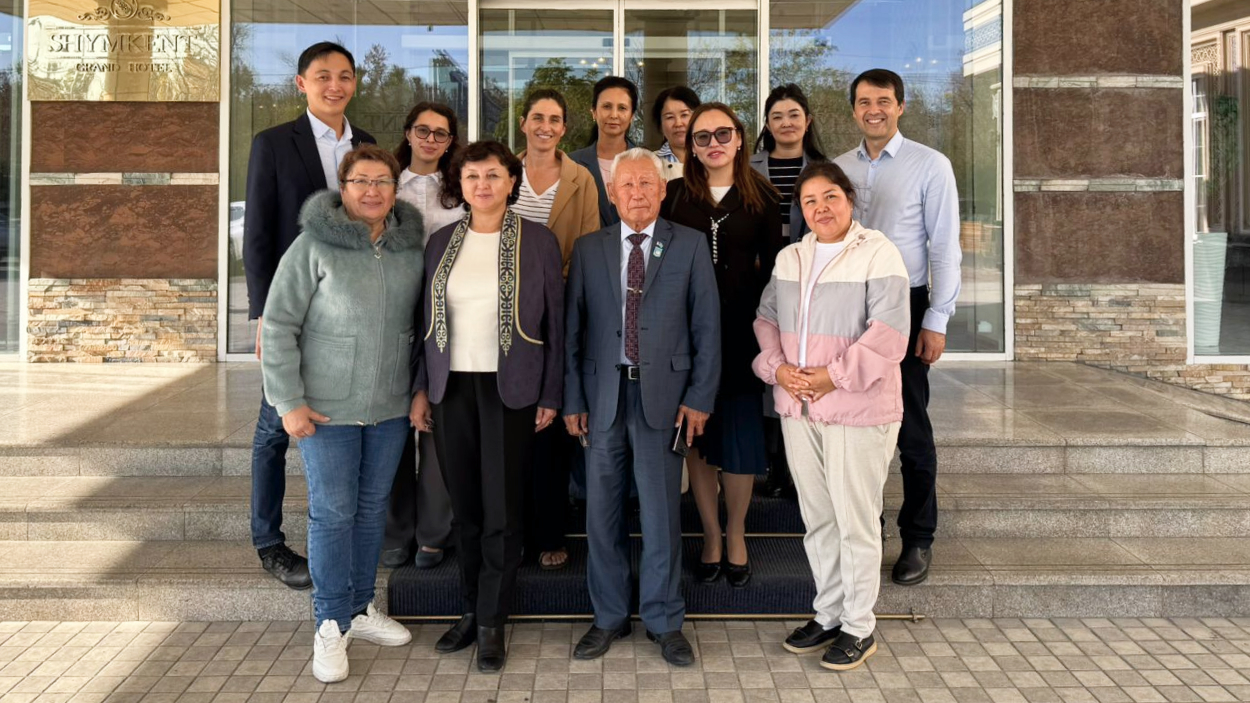
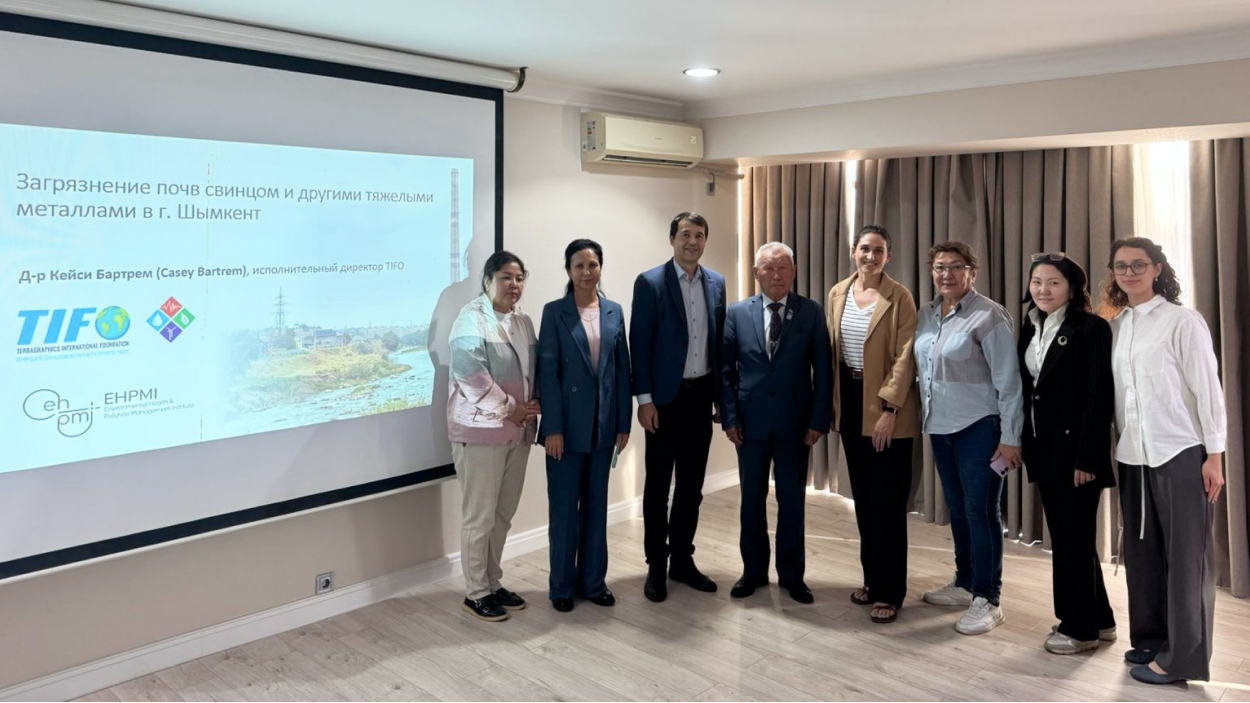
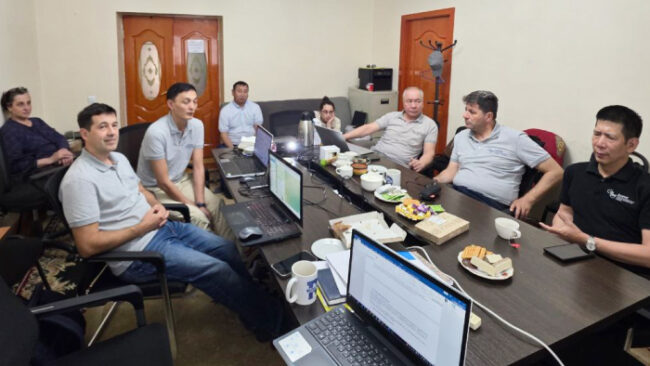
The workshop was planned as a continuation of the roundtable discussion in Shymkent (on the 30th of October, 2025) to present the results of studies on lead contamination and the health risks of lead poisoning to national stakeholders and government agencies.  
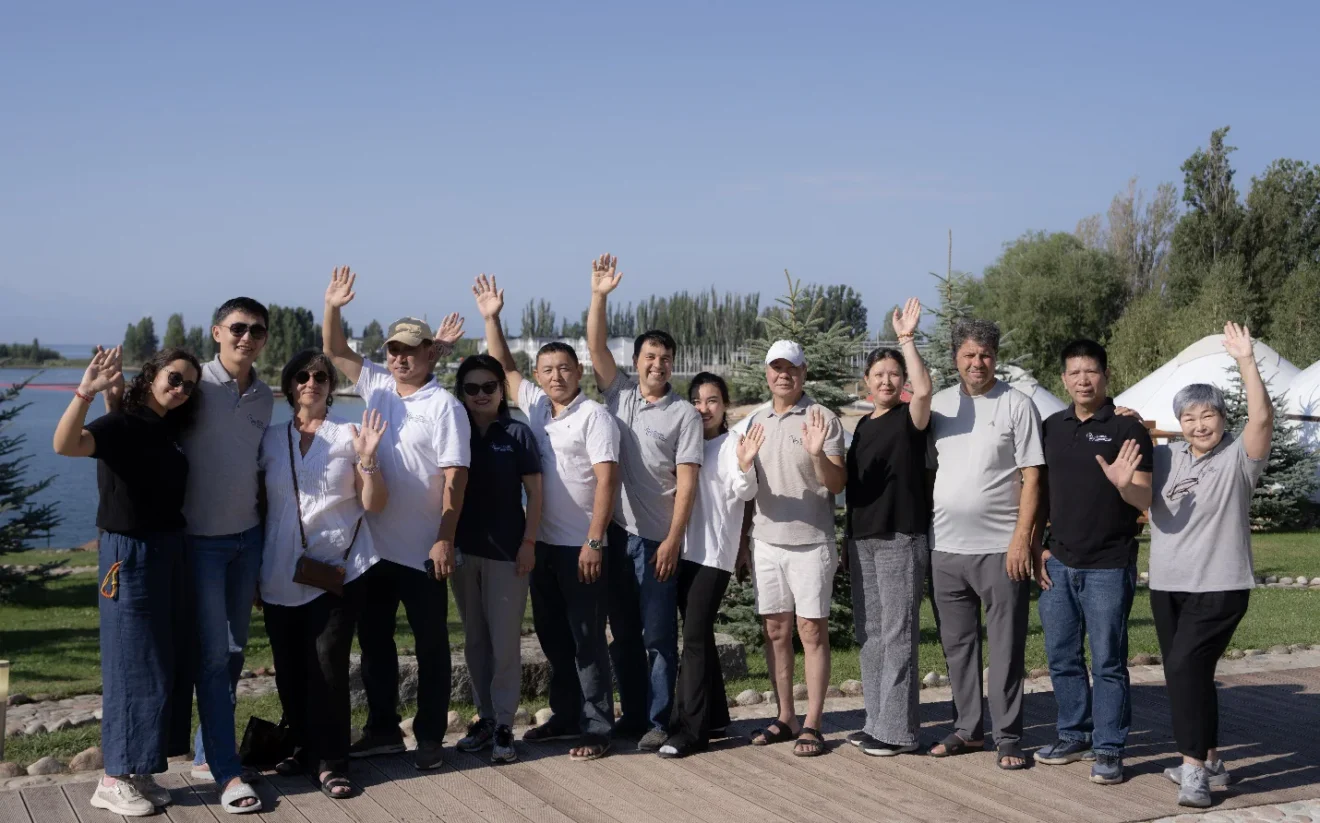
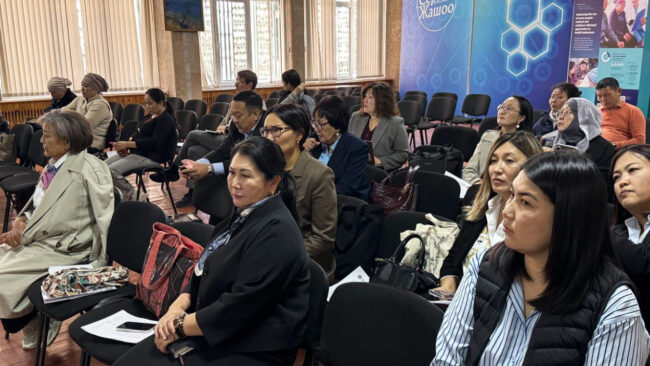
The workshop was organized by the Ministry of Ecology and Natural Resources of the Republic of Kazakhstan and the civil society organization Human Health Institute (HHI). The list of participants included: Kazakhstan State Hydro-Meteo Service, Zhasyl Damu (Green Development), UNICEF, South Kazakhstan Medical Academy, TerraGraphics International Foundation (TIFO) (https://terragraphicsinternational.org/), Environmental Health Project Management Institute (EHPMI), Kyrgyzstan societal association Ekois-Bishkek, Karaganda Science Centre, CSO Kameda, CSO Community Hub, and other organizations.
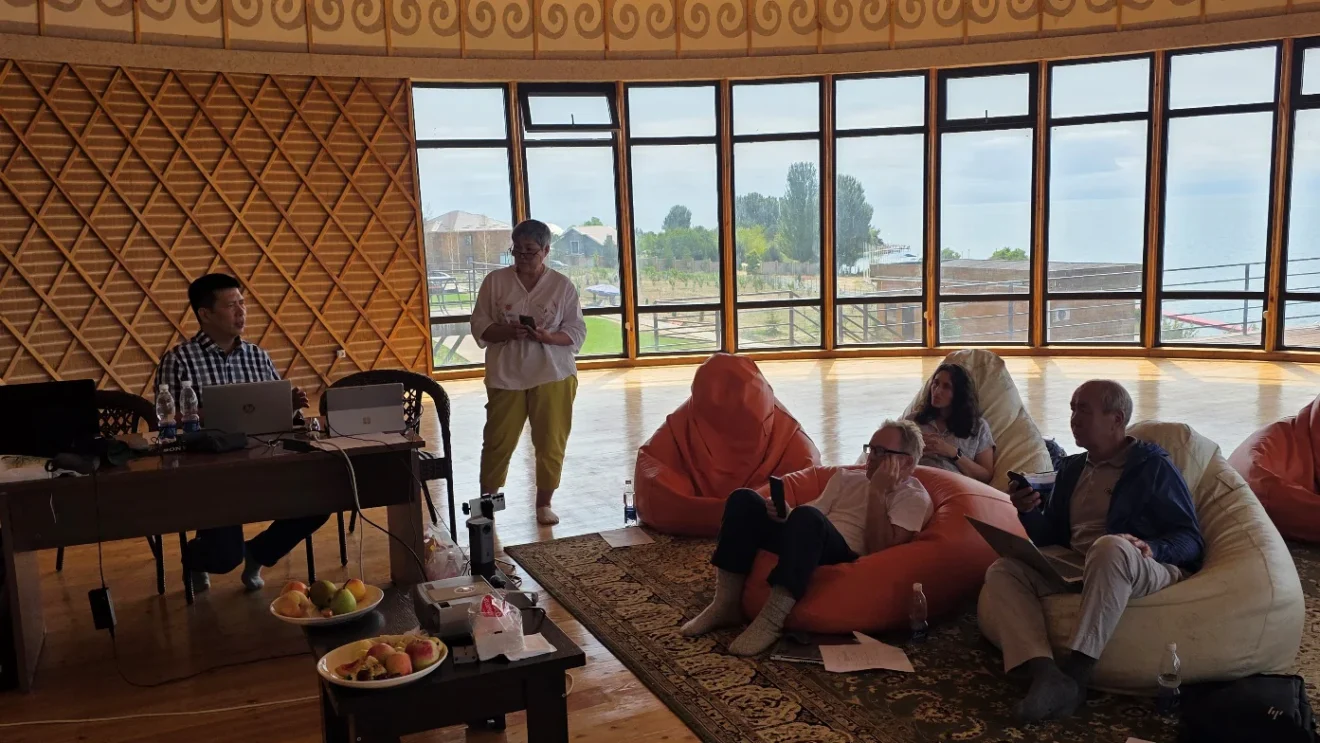
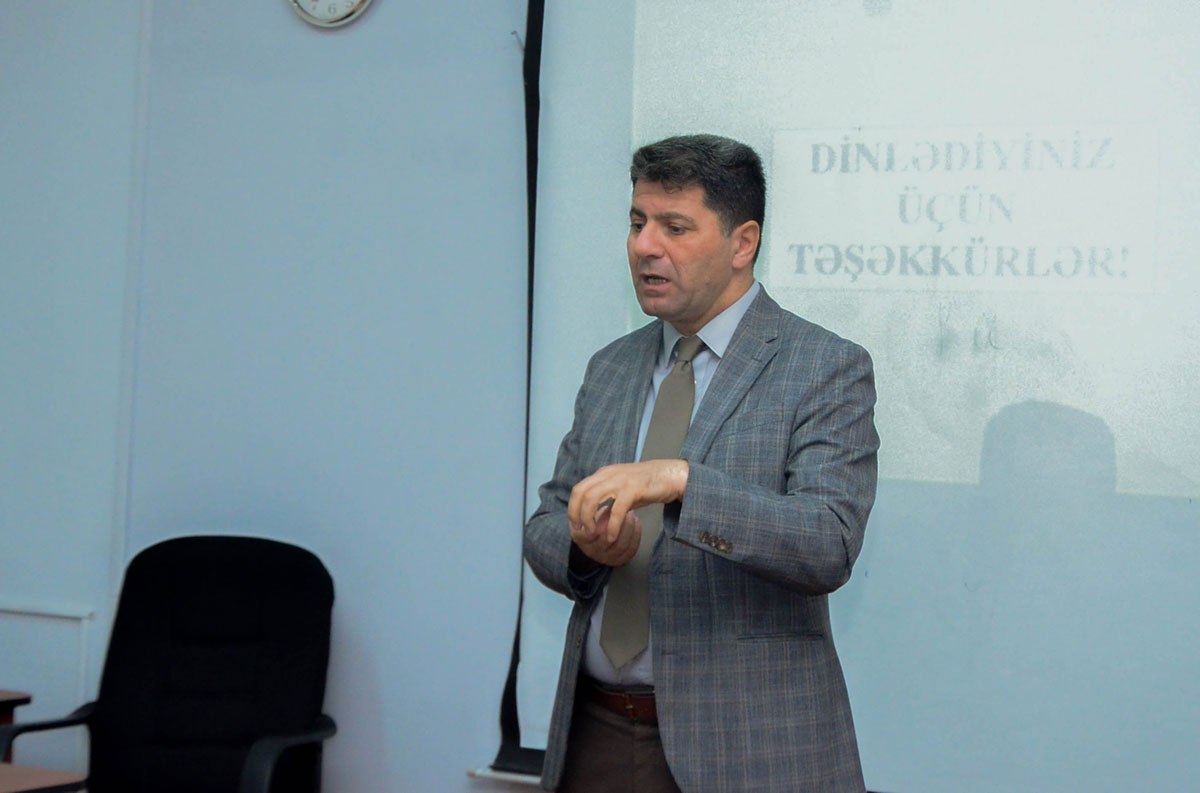
The workshop was opened by the Ministry of Environment, which invited participants to discuss lead poisoning as a significant environmental health problem in Kazakhstan. Then, UNICEF Kazakhstan presented its work assessing the health risks of children’s exposure to lead. The study found that even in Astana and Almaty, where heavy metal contamination is not particularly high, children have elevated blood lead levels. For example, in Astana, 0.8% of tested children (n=511) had blood lead levels between 10 and 20 μg/dL. The study highlighted the need for more detailed assessments and monitoring of lead-related health risks in Kazakhstan, particularly in industrial cities like Shymkent. 
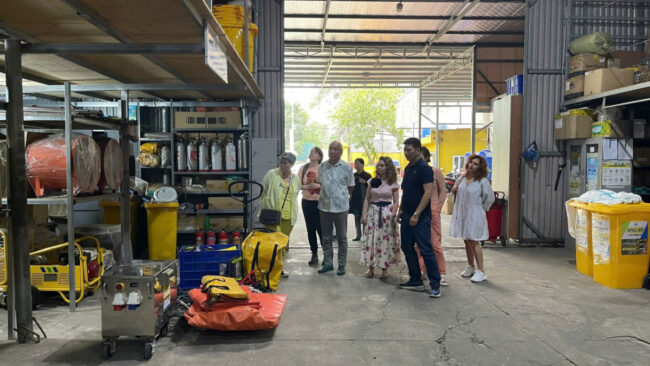
The Human Health Institute and EHPMI shared the results of the study conducted from 2022-2025 in partnership with EHPMI, TIFO, and South Kazakhstan Medical Academy. The results confirm that severe surface soil contamination remains throughout the city. Levels of lead, arsenic, and chromium are well above both Kazakh and US standards, often by orders of magnitude. It is well established that there is no safe level of lead exposure; soil lead levels in Shymkent put children at risk of developmental delays, behavioral problems, learning disabilities, and a lifetime of irreversible health issues ranging from kidney disease to cardiovascular disease. At a population level, this exposure puts Shymkent at risk of lower economic productivity, higher healthcare costs, and measurable reductions in educational achievement compared to other cities in Kazakhstan.

Geospatial analysis showed the highest concentrations near the smelter facility, where soil lead levels exceed 10,000 mg/kg in some areas (compared to the Kazakh standard of 32 mg/kg). Average lead concentrations are 715 mg/kg, with a maximum value reaching 34,600 mg/kg. The Kazakh and US standards for Pb in soils are 32 mg/kg and 100 mg/kg, respectively, indicating results that pose an immediate and severe risk to residents. Regular exposure to these metals is a serious risk to children, who have higher exposures and organ systems that are especially vulnerable to irreversible damage. Because exposures that occur in utero can be especially damaging to the fetus, women of childbearing age are also an important vulnerable group. 

In the next presentation, TIFO shared examples of addressing childhood lead poisoning in the USA, Russia, Nigeria, and Kyrgyzstan. Despite the severity of the problem, this is a tractable issue. There are proven methods for addressing lead poisoning that can be adapted and adopted for Shymkent, and it is urgent to begin doing so. 

Ekois-Bishkek presented results of a national study of blood lead levels in Kyrgyzstan, conducted by in 2025 by the Ministry of Health of the Kyrgyz Republic, the National Institute of Public Health (NIPH), the Department of Disease Prevention and State Sanitary and Epidemiological Surveillance, and the Republican Center for Health Promotion and Mass Communication, together with international partners Pure Earth, Vital Strategies, and ECOIS-Bishkek. It was the first nationwide assessment of blood lead levels among preschool children aged 13–72 months. The study, conducted across 18 regions, represents the country’s most comprehensive effort to date to assess lead exposure in young children. The study found that elevated blood lead levels are present throughout the country. One in five children (21%) had concentrations above 5 μg/dL, and detectable levels were found in almost half of all participants. The study revealed very low levels of public awareness about the health effects of lead exposure. This study is an important example for Kazakhstan and other countries of the region that presently lack a national program of blood lead monitoring. The experience of Kyrgyzstan can be used for conducting a similar national study in Kazakhstan as the first step in establishing a national lead health risk surveillance system. 

The last presentation of the workshop, titled “Assessment of Lead Intoxication in Shymkent Based on Clinical and Experimental Data,” was delivered by a representative of the South Kazakhstan Medical Academy. The presentation showed the results of previous studies of lead health risks in Shymkent conducted in 2011. The study found very high blood lead levels in children and high health risks associated with contaminated dust. It was pointed out that since 2011, there have been no attempts to monitor blood lead levels in Shymkent and address the problem of lead poisoning of children. 

The workshop participants discussed the presentations and asked questions about the research methods and the obtained results. It was agreed that a coordinated strategy is necessary to address lead poisoning in Shymkent, implemented at the local level and supported from the national level. There should be a formal coordination mechanism that brings together health, environment, housing, and social services sectors to synchronize efforts across monitoring, prevention, and remediation. There should be a long-term program to remediate contaminated areas, implement medical monitoring and home follow-up, and assess secondary sources of lead exposure. Most importantly, all participants agreed that immediate action is needed to improve the health of children and families in Shymkent.

Discussion in Tbilisi of the Biggest Contaminated Area in Georgia 

In 2024-2025, the EHPMI team, together with NCDC, TIFO, and other partners, assessed the area of the former Kutaisi Litafoni Factory on the bank of the Rioni River. The Factory started operating in 1939 as the first chemicals enterprise in Georgia. The plant produced white pigments (lithophone, zinc mattress), fillers (micro barite, micro calcite), dyes (oil and water-dispersible), zinc crowns, primers, copper shabiaman, hydraulic fluid, and other industrial products. The company ceased operation after the collapse of the Soviet Union. Thousands of cubic meters of waste and hazardous contamination were left on an area of 13 hectares on the bank of the Rioni River. The contaminated area is easily accessible, without proper fencing. Local residents, including children, pass through the site while walking in the neighborhood, grazing cattle, collecting recyclable materials, and commuting. The Rioni River is used by local residents for fishing and swimming, which poses an additional risk.

The assessment conducted in 2025 identified severe heavy metal contamination at depths up to 4 meters and across the site’s waste disposal areas. Contamination in the areas peripheral to the waste residues is less severe, but still of significant concern. Results for lead, arsenic, mercury, chromium, and other heavy metals routinely exceed Georgian and US soil standards, often by orders of magnitude. For example, average lead concentrations range from 973-5000 mg/kg, 30-156 times the Georgian standard of 32 mg/kg. Average arsenic concentrations range from 78-253 mg/kg, 39-126 times the Georgian standard of 2 mg/kg. Average chromium concentrations range from 236-418 mg/kg, 39-69 times the Georgian standard of 6 mg/kg. Average mercury concentrations range from 20-43 mg/kg, 10-20 times the Georgian standard of 2.1 mg/kg. This contamination poses direct and extreme risks to local residents and may be impacting surface water in the Rioni River and possibly groundwater through infiltration into the aquifer. 

The sampling team observed evidence of regular public access to the site, including children. Direct exposures when accessing the site and migration of contamination off-site highlight the urgent need to address ongoing exposures, which pose risks of lifelong, irreversible health impacts, including developmental delays for children, cancers, neurological disease, and kidney, liver, and cardiovascular disease. The study also found that the contamination is spreading in all directions, polluting nearby residential areas and the Rioni River. 

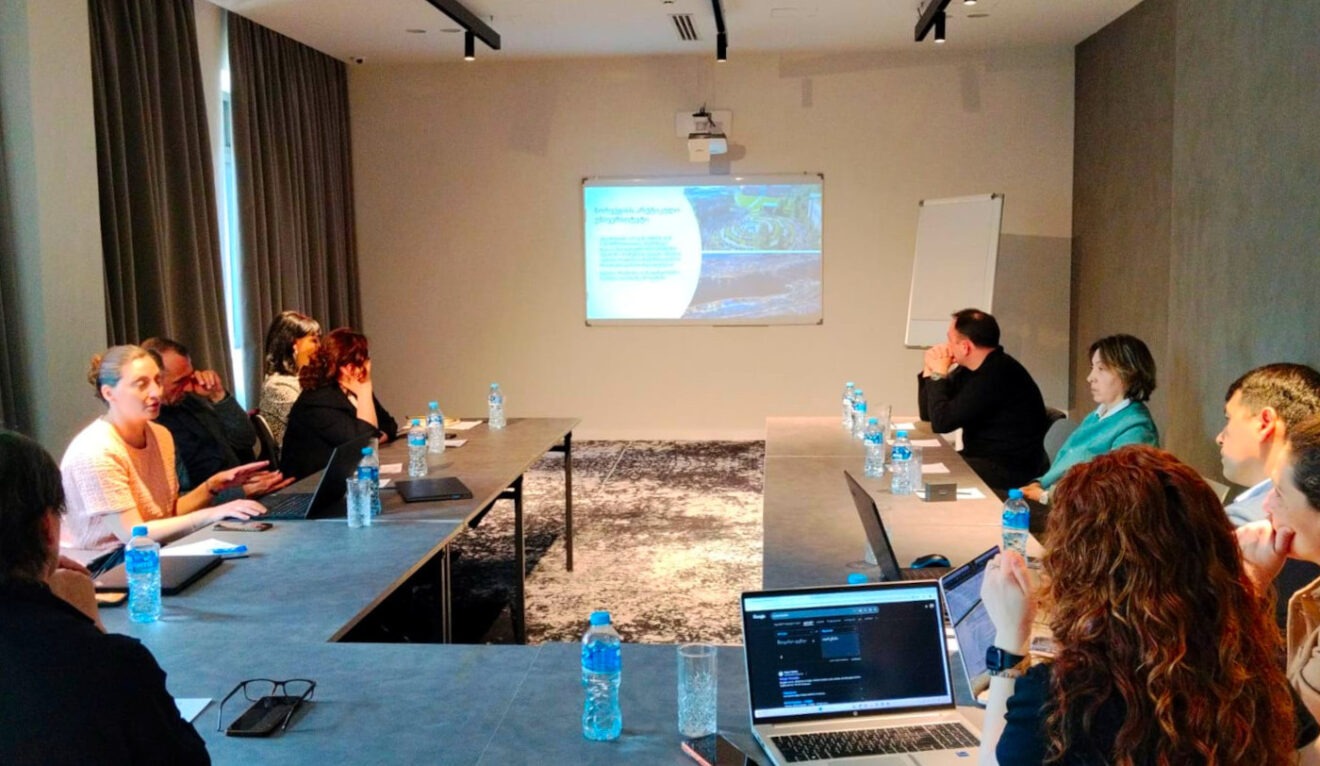
The workshop was initiated by EHPMI, NCDC, and UNICEF, and included participation from: 

Key Discussion Points

Next Steps / Action Plan

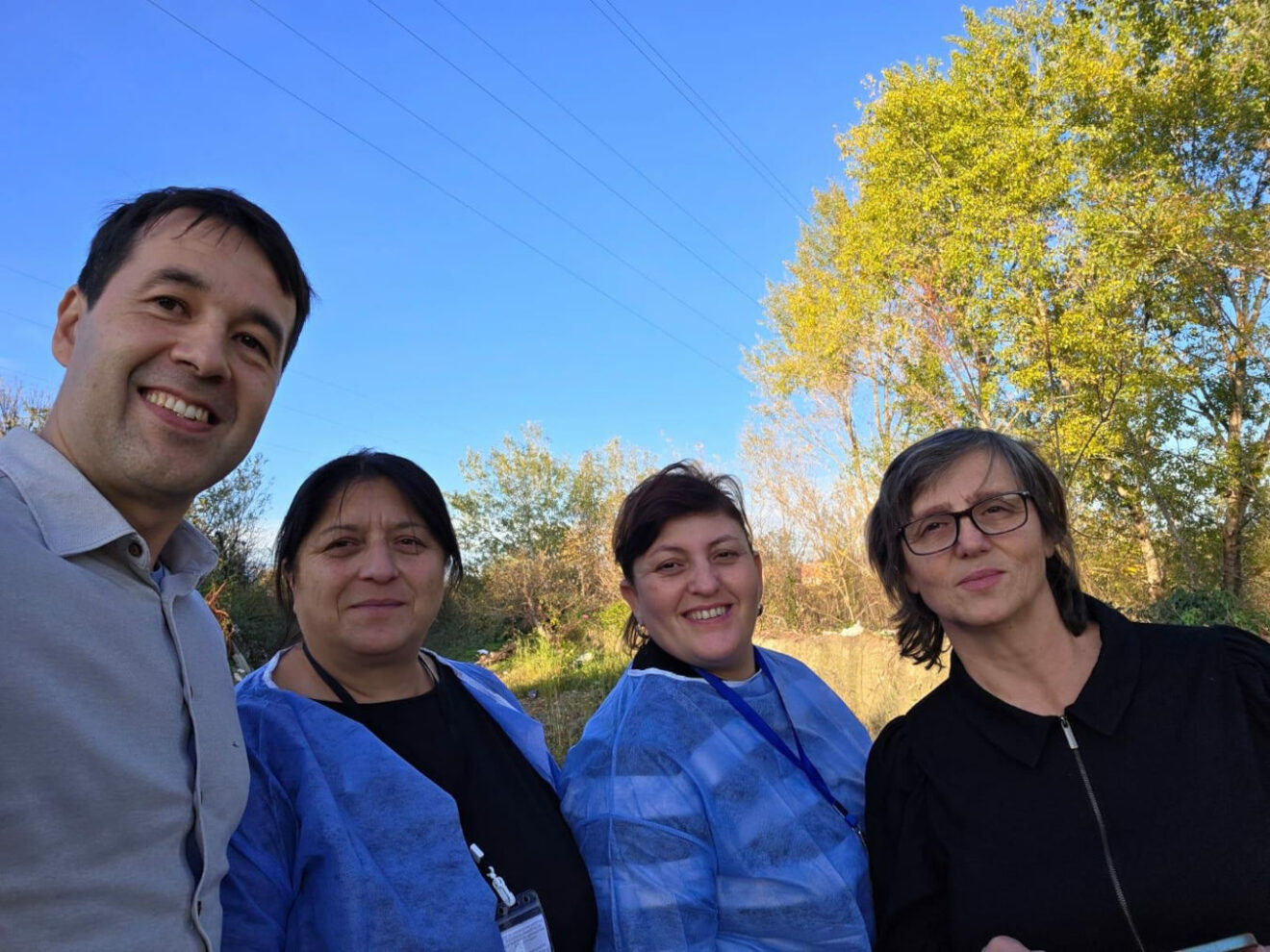
Field assessment of a contaminated site in Kutaisi, Georgia

The contaminated site of the former Litafoni Factory is located on the shore of the Rioni River in Kutaisi. The factory began operating in 1939 and produced white pigment lithopone, filler particles (micro barite, micro calcite), dyes (oil and water-dispersible), hydraulic fluids, and other industrial products. The factory stopped its operations in 1989 after the collapse of the Soviet Union. 

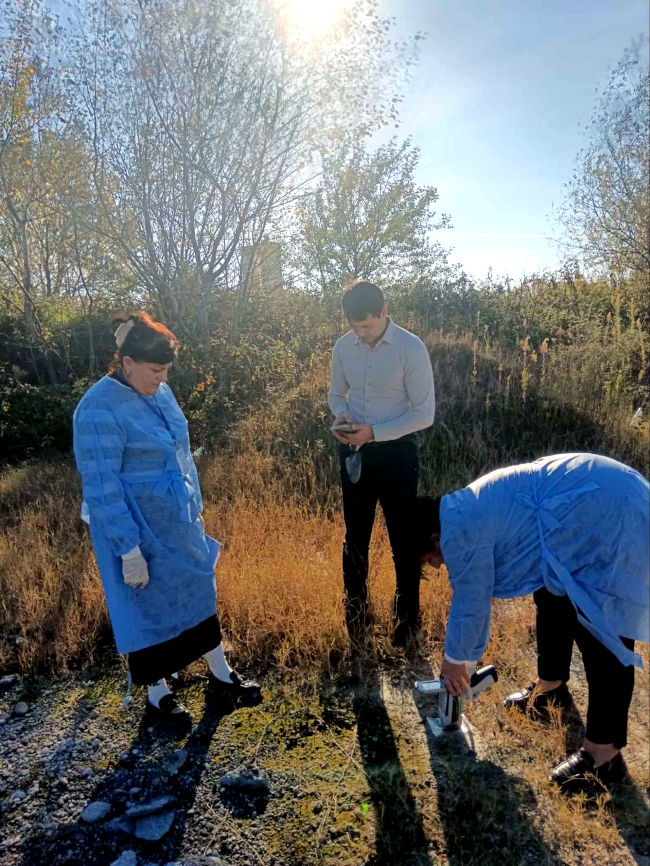
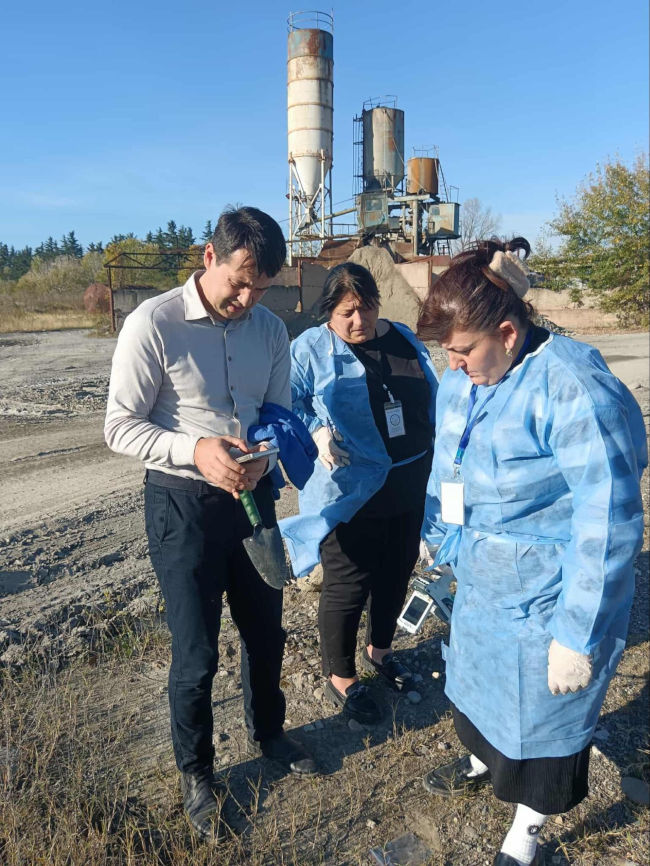
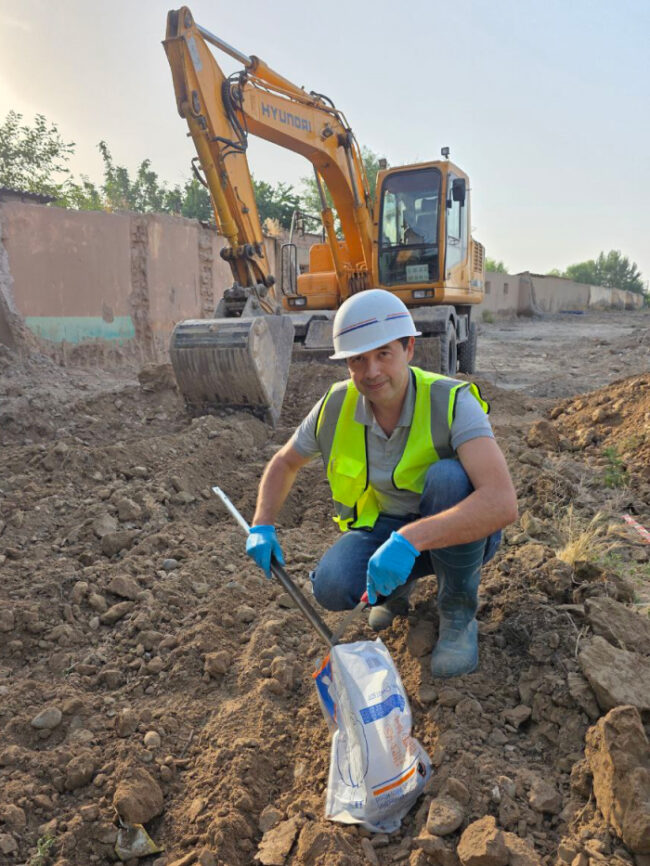
EHPMI team previously assessed the contamination of soils of the site with heavy metals in 2022 and in June, 2025 together with TIFO experts. The results confirmed that the area of more than 13 hectares is highly contaminated with such toxic heavy metals as mercury, lead, and arsenic. However, it was not yet clear how far the contamination migrates from the former industrial area. The results of initial assessments were presented to NCDC. As a result of a discussion between NCDC, TIFO, and EHPMI it was decided to continue investigation to better understand the boundaries of contaminated area. The assessment was done using a portable XRF analyzer which allows to analyze soil samples right in the field. The new data showed that contamination is spreading from the former industrial area and more lands get contaminated. 

The results of the assessment will be shared with the government agencies, municipality of Georgia and interested experts. The assessment will serve as the basis for the development of a plan to clean up the contaminated area and make it safe for people.

Blood lead levels in preschool children in the Kyrgyz Republic

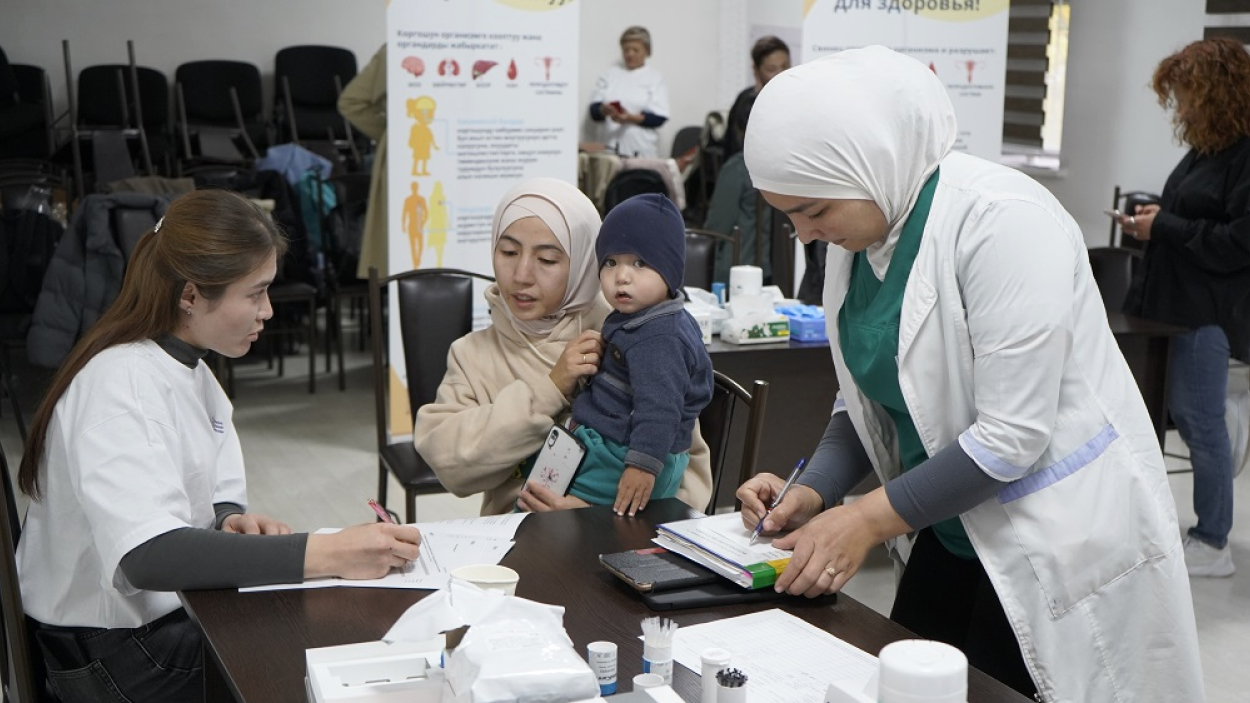
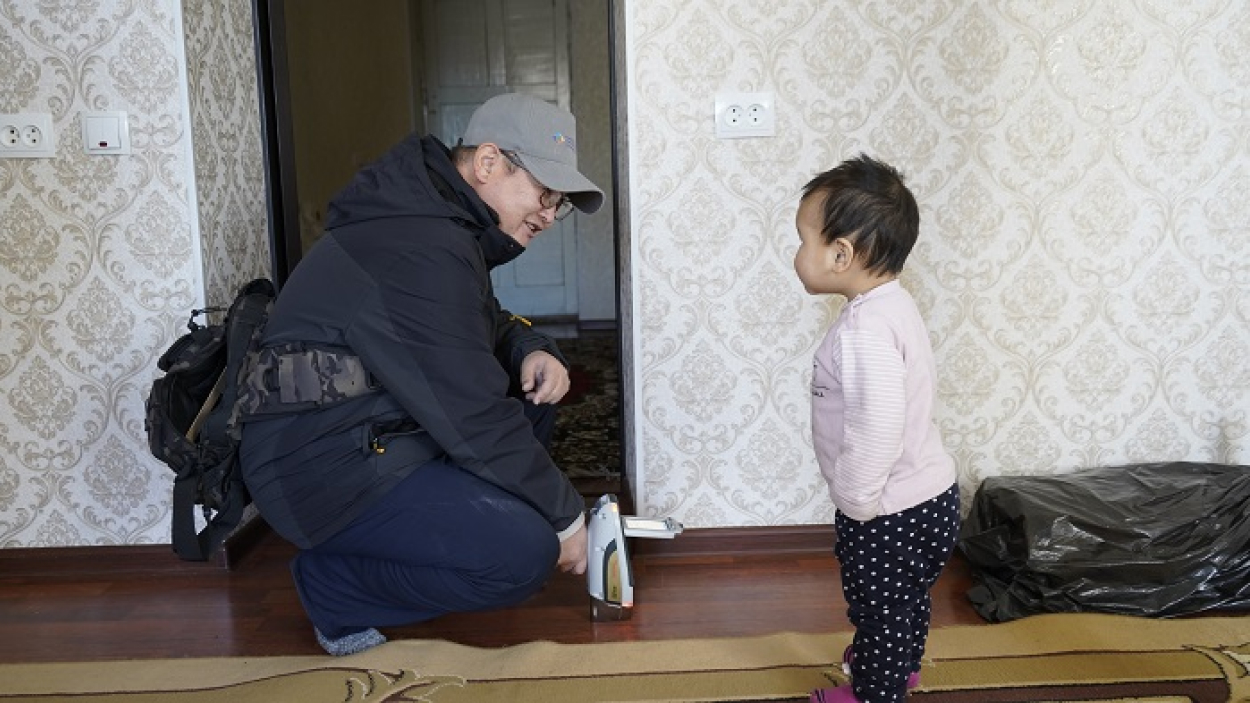
Field teams applied standardized sampling methods and portable analyzers for capillary blood testing, while household surveys helped identify potential exposure sources such as paints, cookware, toys, and proximity to industrial sites. All activities were carried out under approved ethical procedures, and families received guidance based on their individual results.

The findings show that elevated blood lead levels are present throughout the country. One in five children (21%) had concentrations above 5 μg/dL, and detectable levels were found in almost half of all participants. Several environmentally affected locations, including Sovetskoye, Ak-Tyuz, and Mailuu-Suu, recorded averages significantly above the national mean. Higher exposure rates were also observed among boys, older children, and those living in rural areas. 

Household assessments confirmed the presence of domestic sources of exposure. Lead-containing paints, contaminated cookware, and certain toys were frequently identified, while indoor smoking and parental work in lead-related industries further increased the risk. Residential proximity to industrial facilities was also associated with higher blood lead levels.

The study revealed low public awareness about the health effects of lead exposure. Given that even minimal amounts of lead can affect a child’s development, increased communication and preventive measures are needed, especially in light of ongoing discussions on expanding mineral resource development in areas involving lead and other heavy metals.

Based on the results, national experts have proposed enhancing the country’s response through the creation of a heavy metals monitoring center at the NIPH, strengthening laboratory and diagnostic capacities, developing clinical treatment guidelines, and reinforcing regulatory oversight of paints and consumer goods. Training healthcare workers and conducting periodic nationwide assessments are also recommended.

With continued cooperation from international partners, further work is planned to support implementation of these measures, strengthen intersectoral coordination, and assist local authorities in reducing exposure risks. The study provides a critical evidence base for future policy actions aimed at protecting the health and development of young children in Kyrgyzstan.

Lead Poisoning of Children in Shymkent and Proposed Solutions

The roundtable was organized by Human Health Institute (HHI) and gathered representatives of government agencies, non-governmental organizations, international organizations, and scientists. The list of participants included: UNICEF, South Kazakhstan Medical Academy, TerraGraphics International Foundation (TIFO), Environmental Health Project Management Institute (EHPMI), Department of Architecture of Shymkent, Ekois-Bishkek and other organizations.

During the meeting, the participants presented research findings on the assessment of soil contamination levels and the impact of lead exposure on public health:

In concluding the roundtable, participants emphasized the importance of continued intersectoral collaboration, increased government engagement, enhanced environmental monitoring, developing pilot remediation plans, public awareness raising, and the development of comprehensive measures to reduce lead exposure, especially among children.

The discussion confirmed that soil contamination with lead and other heavy metals remains at a high level in Shymkent, posing a serious threat to public health, particularly to children.

Participants underlined the need to develop and implement a comprehensive program aimed at mitigating lead exposure and improving the environmental situation. Such a program should include: regular environmental monitoring, remediation of contaminated areas (especially playgrounds, school and kindergarten territories), child health surveillance, and promotion of environmental education and awareness.

Effective implementation of these measures requires coordinated efforts between governmental bodies, research institutions, and non-governmental organizations.

EHPMI, TIFO, and HHI expressed readiness to provide expert and methodological support in the development and implementation of integrated environmental programs.

The session also addressed issues related to improving environmental planning practices in accordance with the Environmental Code of the Republic of Kazakhstan.

Participants noted the need to:

  • clarify timelines for the coordination and approval of environmental action plans,
  • enhance the effectiveness of environmental payments, particularly in subsidized regions, and
  • broaden the scope of funding priorities to ensure a comprehensive approach to environmental protection.

The recommendations and proposals adopted as a result of the roundtable will contribute to strengthening interagency cooperation and developing systemic solutions to mitigate the impact of lead and other heavy metals on public health and the environment.

EHPMI Workshop-2025

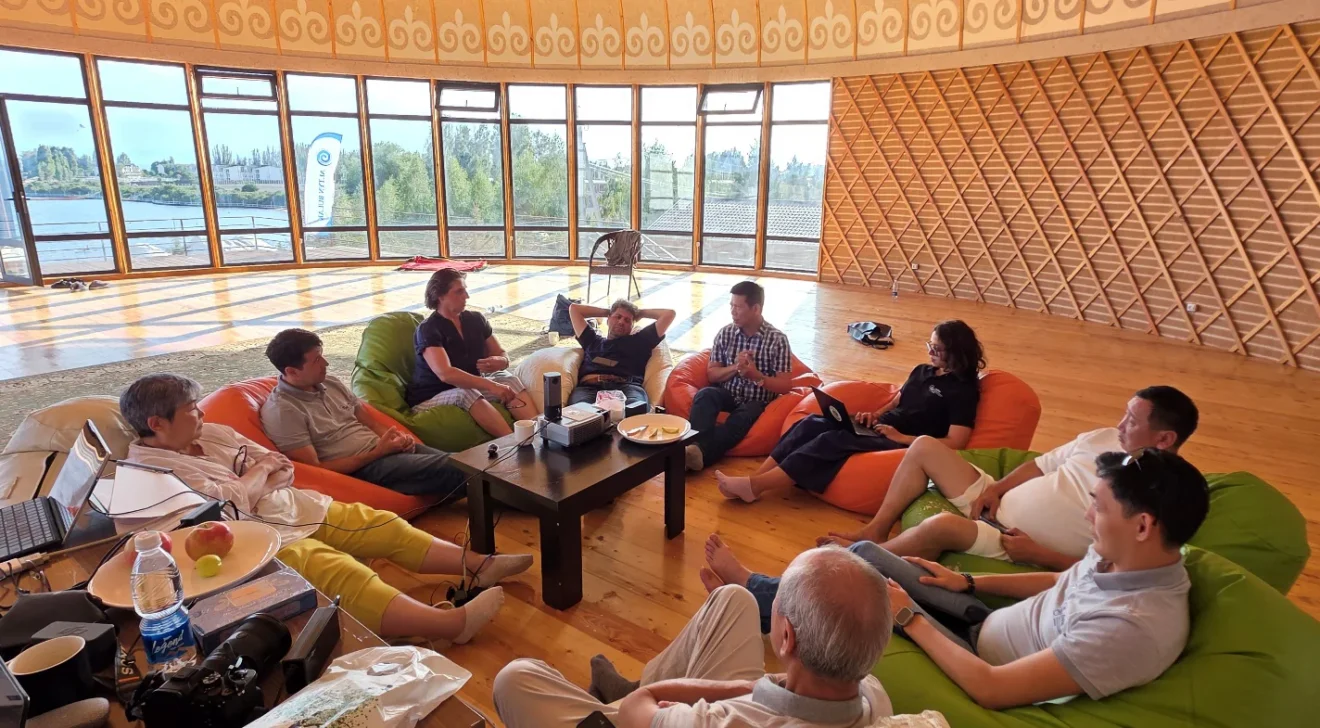
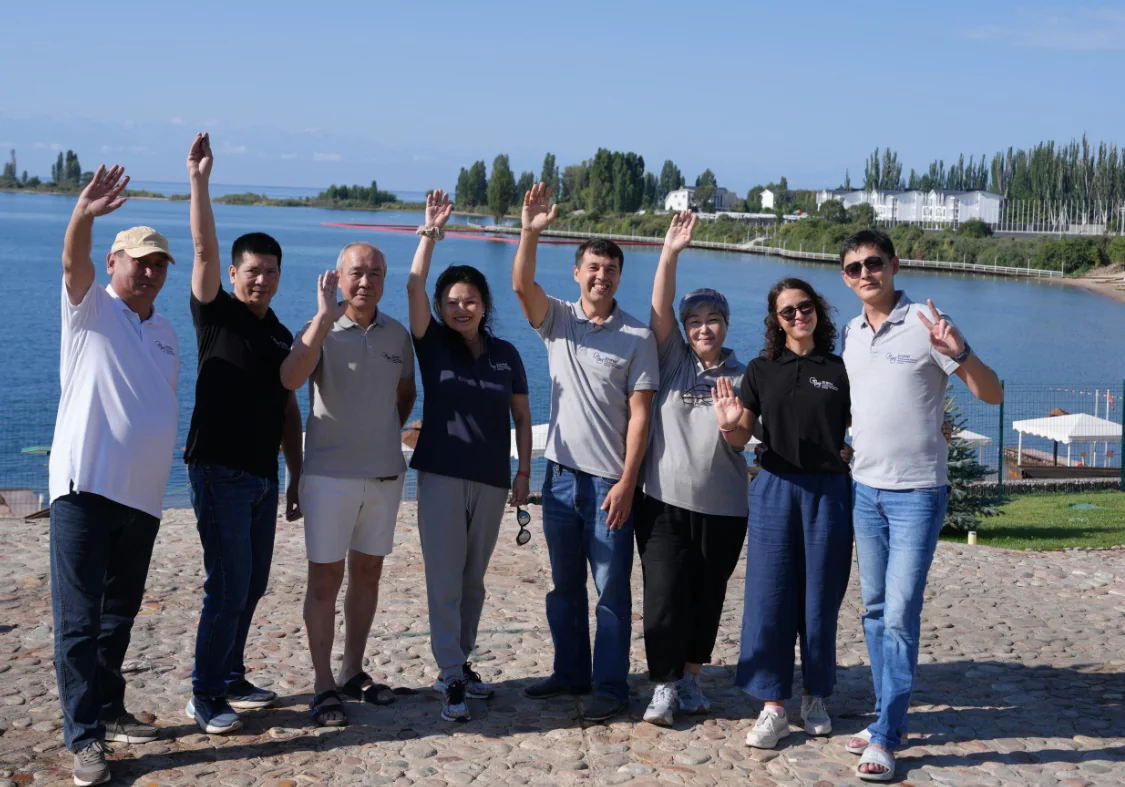
Organized by local NGO “Peshsaf”, the workshop began with online training conducted by TIFO-EHPMI, followed by a series of country presentations by representatives from Mongolia, Kazakhstan, Georgia, Kyrgyzstan, Azerbaijan, Armenia, Tajikistan, and Vietnam. Presenters shared experiences and lessons learned in environmental monitoring and remediation, particularly focusing on heavy metals, pesticides, and other toxic substances.

The afternoon featured technical discussions led by Petr Sharov on site assessment methodologies, Umed Ulugov on the Pesticides Program in Tajikistan. The day concluded with a group discussion on fundraising efforts, followed by a joint dinner that reinforced regional collaboration and solidarity.

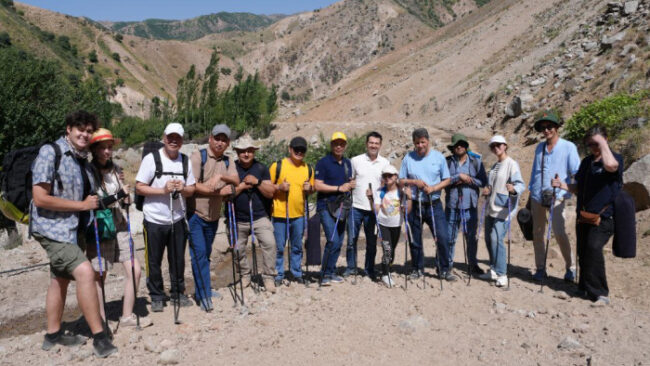
In the days leading up to the seminar, participants visited hazardous waste storage and remediation sites in the southern regions of Vakhsh and Jayhun, where they observed cleanup efforts and met with local communities. The program also included excursions to national parks, cultural landmarks, and natural sites such as Romit and Takob, allowing participants to connect with Tajikistan's environmental and cultural context.

The EHPMI seminar in Dushanbe was a significant milestone in promoting regional cooperation for environmental health and sustainable development across Eurasia.

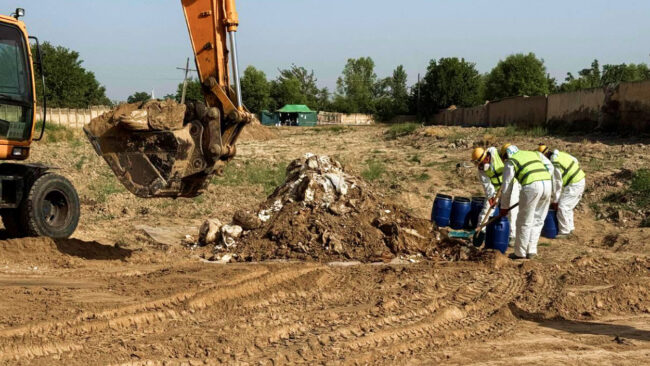
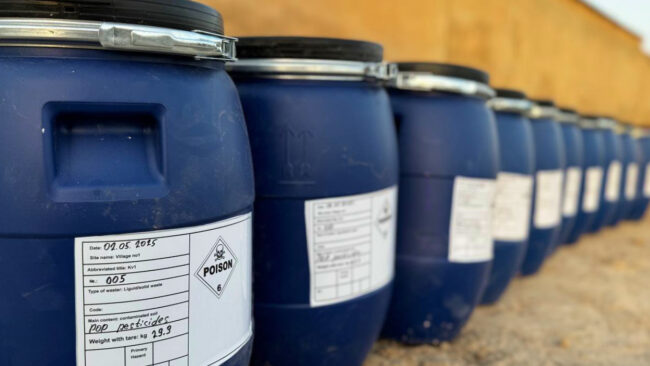
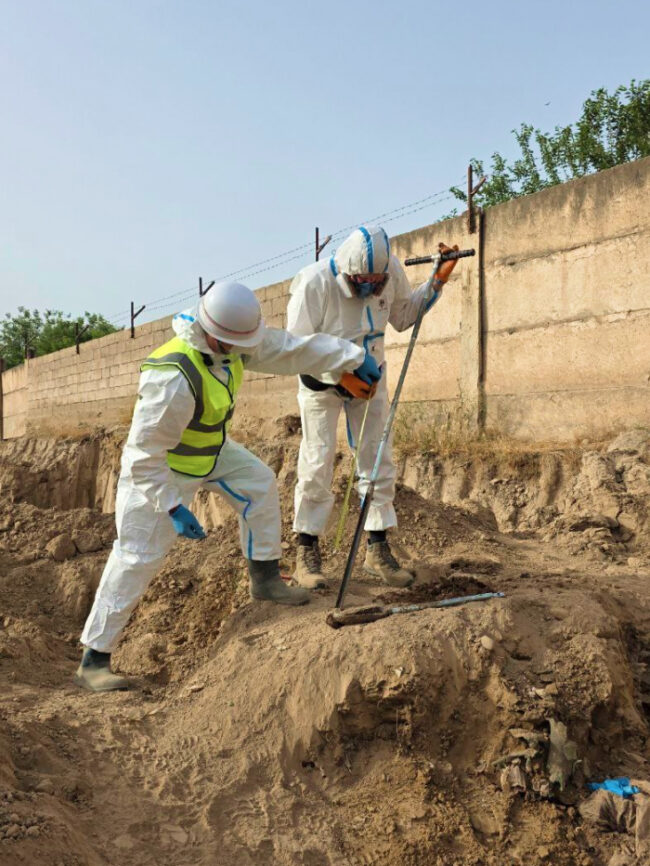
Cleanup of DDT burial in Settlement #1, part of FAO regional project, implemented by Peshsaf, Tajikistan

As part of the ongoing cleanup, the team visited the Vakhsh Toxic Waste Storage (Polygon) to inspect and verify the volumes and condition of contaminated materials previously transported from the site. In parallel, a health and safety training was conducted on-site for workers handling hazardous waste, ensuring that all procedures aligned with international best practices.

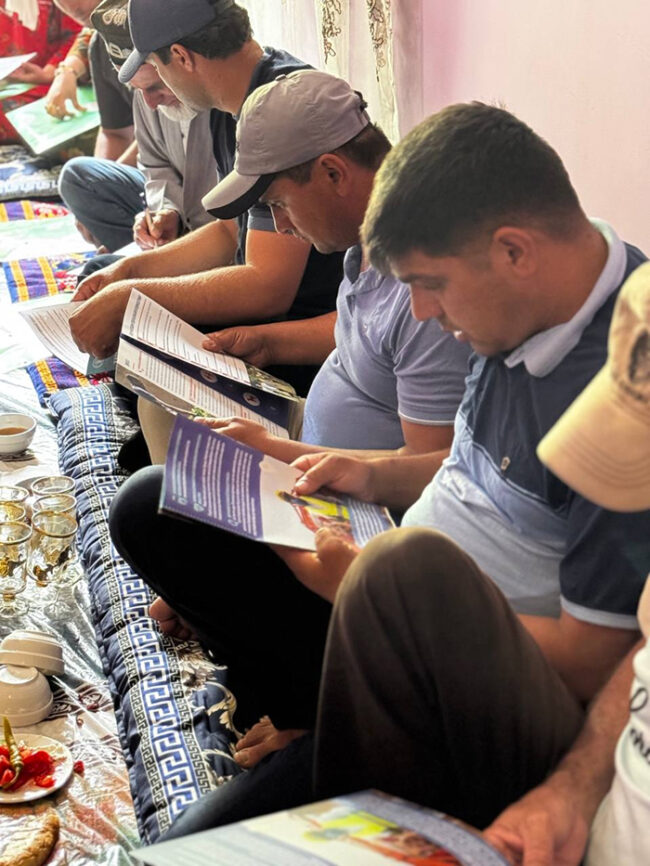
Community outreach remained a priority. A local meeting was held to inform residents about the dangers of obsolete pesticides and to explain the remediation process. Informational materials in Tajik were distributed, and the response from the community was highly positive. The cleanup efforts also drew the attention of national media, with coverage coordinated during a visit by FAO leadership and international journalists.

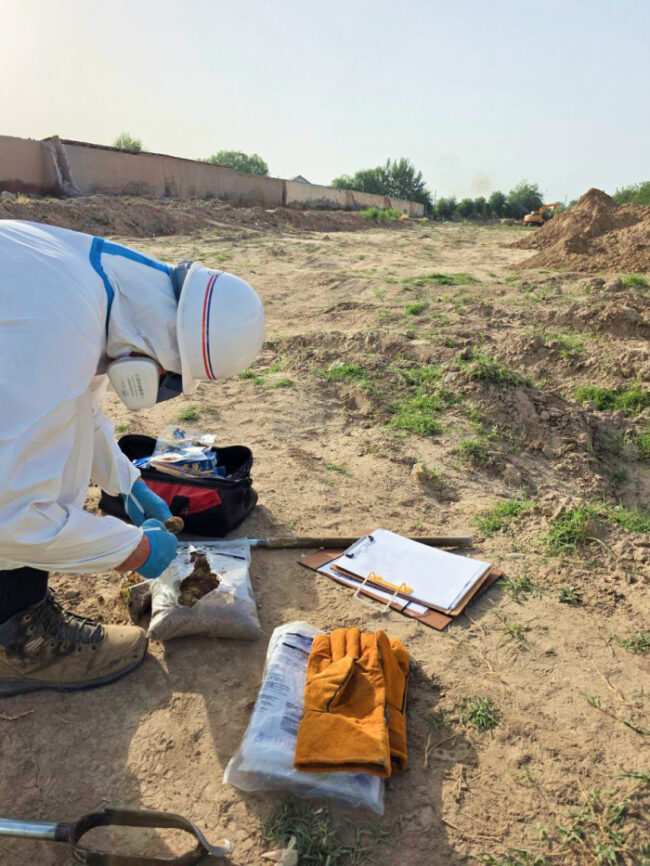
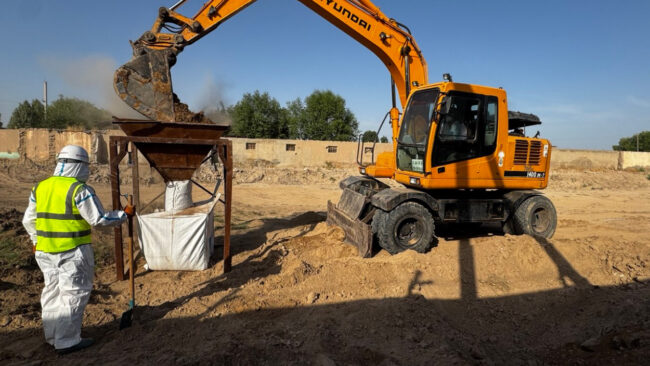
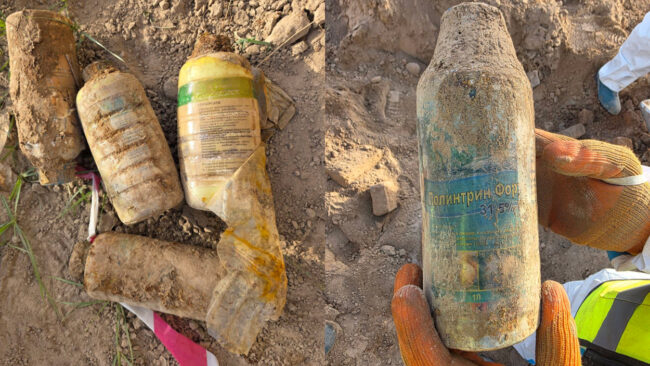
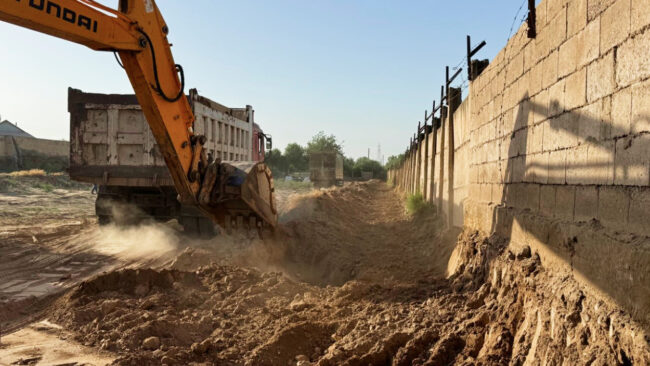
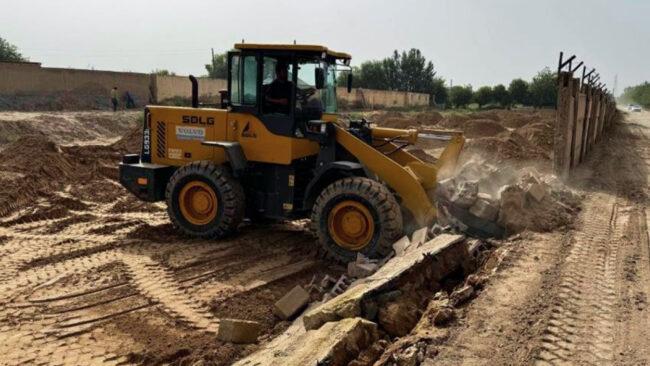
Field operations during this period included excavation and removal of pesticide-contaminated soil and waste. Unexpectedly, pesticides in Zone 4 were discovered at shallower depths than previously thought, prompting immediate action to prevent future risks. Due to extreme daytime temperatures, part of the packaging work was moved to the Vakhsh facility, where safer working conditions could be ensured.

These actions mark a significant step forward in addressing the legacy of obsolete pesticides and reducing environmental and health risks in the region.

EHPMI Workshop-2024

The workshop started with ESCM presentation about implementation of the project "Sustainable Plastic Recycling in Mongolia" together with Caritas Czech Republic, Ecosoum and Mongolian Sustainable Development Bridge. The project started in September 2020 and will be completed in December 2024. This project is an important step for Mongolia to solve the problem of increasing plastic wastes. The lessons of this project on sorting wastes, standards for industry and waste management in tourism sector could be used and replicated in other countries of the region.

Human Health Institute presented the work in Kazakhstan. One of the biggest achievements was the national inventory of sites contaminated with obsolete pesticides implemented as part of the FAO project “Lifecycle Management of Pesticides and Disposal of POPs Pesticides in Central Asian countries and Türkiye” funded by GEF. The project team visited 15 regions of Kazakhstan and managed to identify and conduct 159 assessments of pesticide contaminated sites according to REA protocol. The results of the inventory will be used to prioritize sites for conducting detailed assessments, planning and implementing cleanup (remediation) projects.

Ekois presented the work in Kyrgyzstan on two projects: «Strengthening Health Systems to Reduce Lead Exposure» implemented by Pure Earth and funded by Takeda, “Demonstration of Non-thermal Treatment of DDT Wastes in Central Asia” implemented by UNEP, funded by GEF. The first project introduces changes to the national health systems to initiate and maintain monitoring of exposure of children to lead and investigate sources of exposure to identify mitigation measures. In the second project Ekois did a lot of work on education and awareness about health risks of DDT and other obsolete pesticides in Kyrgyzstan.

In Georgia EHPMI will start a new activity as part of the project “Regions and People for Food Safety: An EU-Endorsed Awareness Initiative”, funded by Caritas Czech Republic. The project will focus on education, awareness and food safety.

In Tajikistan EHPMI collaborated with Peshsaf on several projects: “Lifecycle Management of Pesticides and Disposal of POPs Pesticides in Central Asian countries and Türkiye” implemented by FAO, funded by GEF; “Demonstration of Non-thermal Treatment of DDT Wastes in Central Asia” implemented by UNEP, funded by GEF; and “Agricultural Development Support at the Communities Level,” implemented by IFAD, funded by Green Climate Fund (GCF). Tajikistan team presented the progress in these projects and described the potential for expanding collaboration with FAO and UNEP in 2025.

As representatives of Armenia and Azerbaijan reported there were no significant projects in those countries, because it was not possible to obtain support for planned actions. 

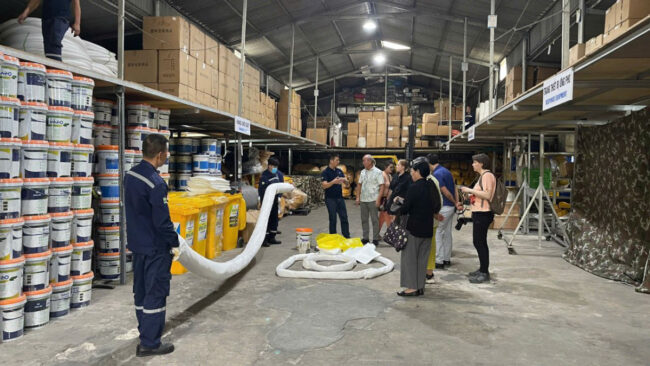
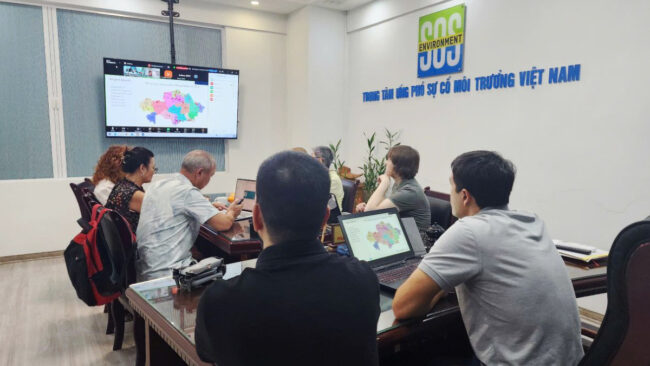
The workshop was concluded by a big presentation of Pham Van Son, head of SOS about the work of the organization in Vietnam to address spills of petroleum products and the project on agricultural open burning and pesticides implemented by GAHP-VACNE and funded by UKAID. Besides the presentation the workshop participants also visited SOS response station in Hanoi and saw various oil spill response techniques and equipment used by SOS.

Journey Through Mexico’s Parks: Insights from the Field

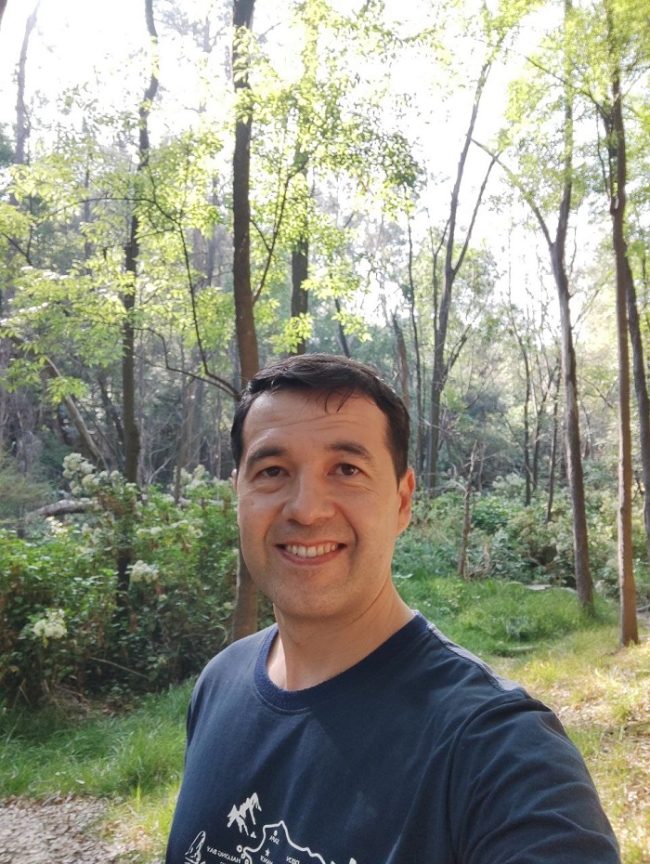
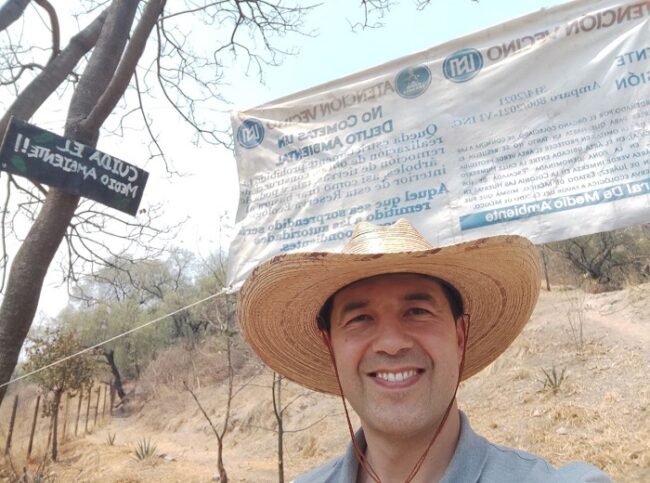
Petr Sharov the President EHPMI

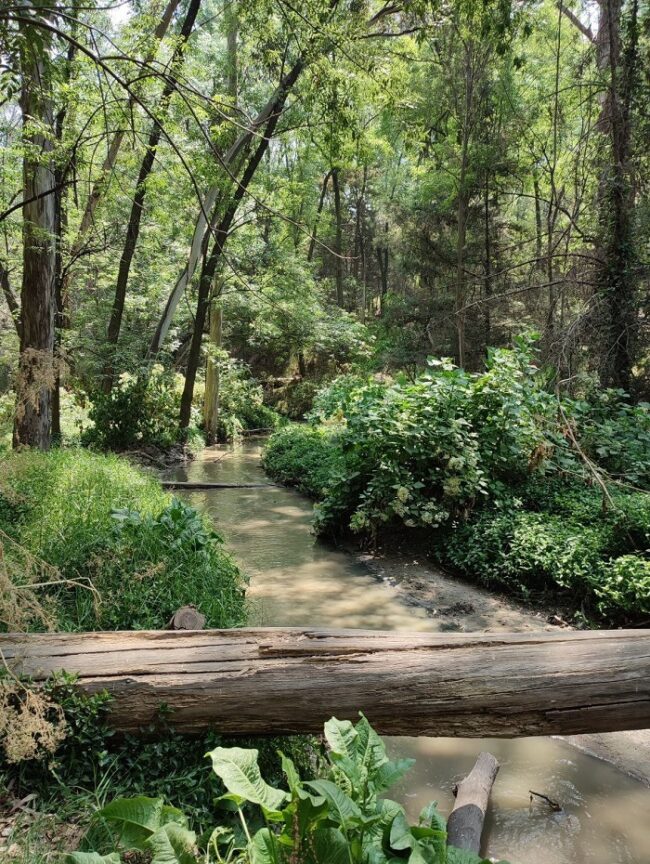
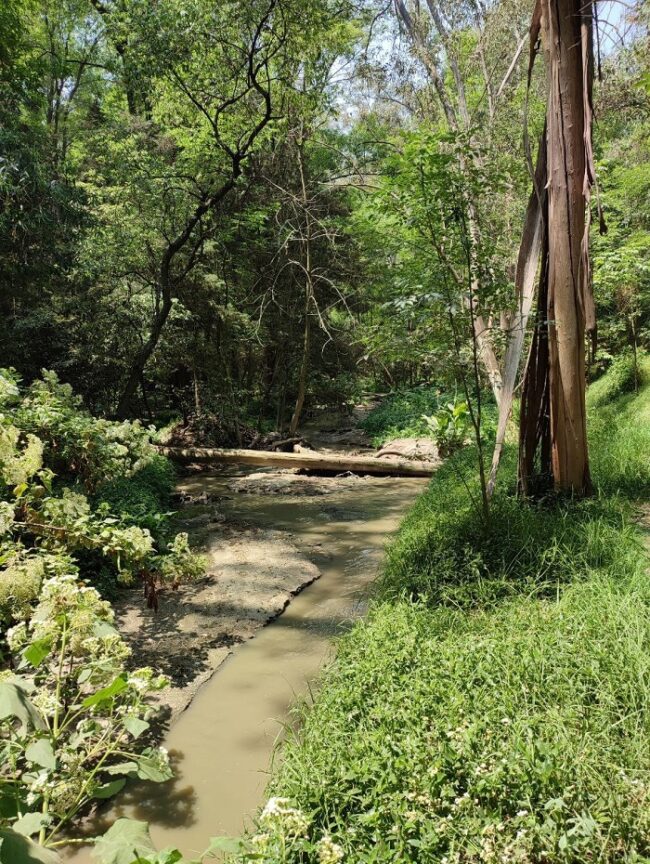
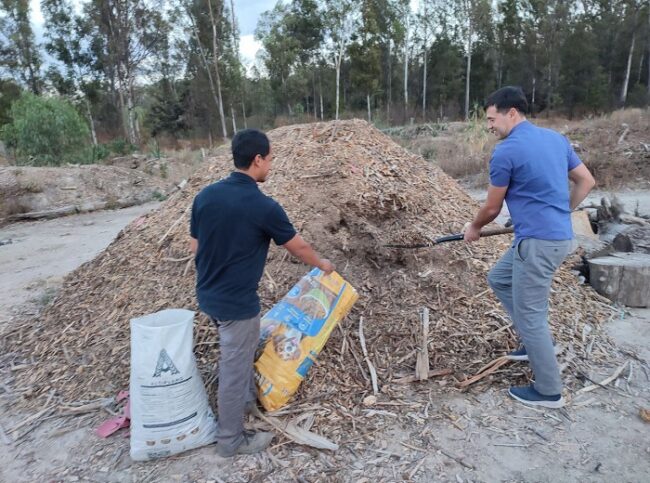
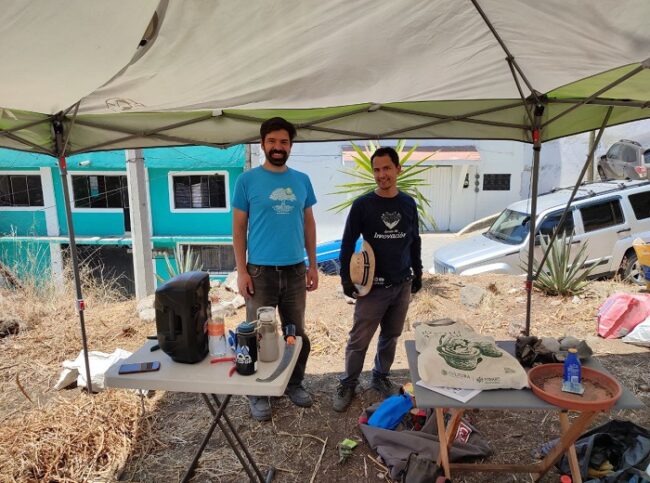
One of the actions was a weekend cleanup of the Park “De Los Arcos”. For over 20 years people who live nearby get together to remove garbage brought by people and floods. This is the upper reaches of the Los Remedios River. Here the river appears to be just a small creek, which used to be fully covered with all sorts of garbage. But the local people decided to change the situation and started gathering once a month to clean the river and the park. The local administration agreed to pick up and remove the gathered garbage. Thanks to the volunteer actions of the people now this area looks really beautiful. 

Daniel Estrada, the leader of the volunteer group: “What we do is very important for us. Because this is how we give love to our land. We do not see it as a problem. We are satisfied with the results of our work. We have been doing this for 24 years. And people ask me: “Why are you doing this? Why does it give you satisfaction? Isn’t it unpleasant to pick up the garbage?” But for me this work is sacred. Many people just don’t notice these problems of pollution. Thanks to our efforts the birds will not be eating plastic. The plants will grow freely. The water in the river will be clean. It means a lot to us. It will let us be with nature, stay under the trees and listen to the birds. Of course, we want this park to be perfect where everything is nice and clean and people enjoy themselves and respect the nature. We are not there yet. But if we weren’t doing anything, then would have been farther away. But by coming here every month  and working we make this park and the river a better place. This why we continue doing what we do. And we will not stop. Thank you all so much for coming and joining us.” 

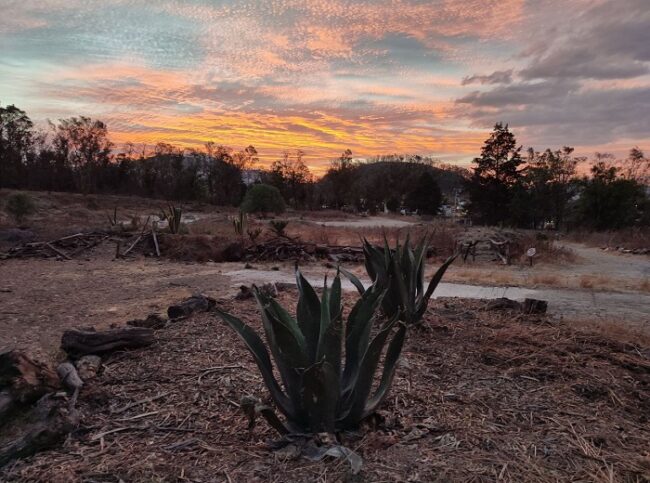
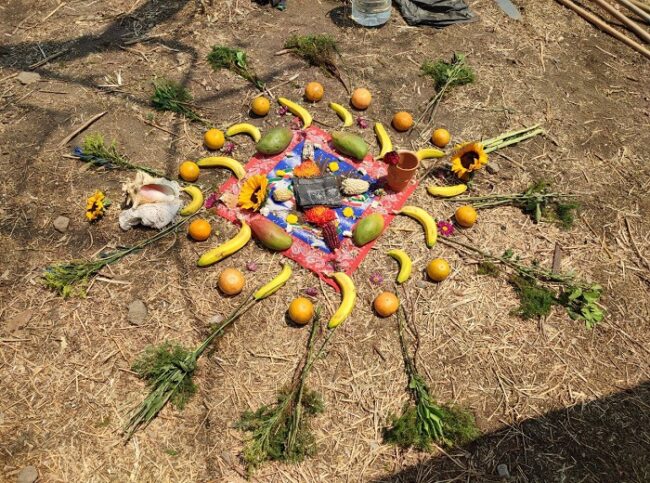
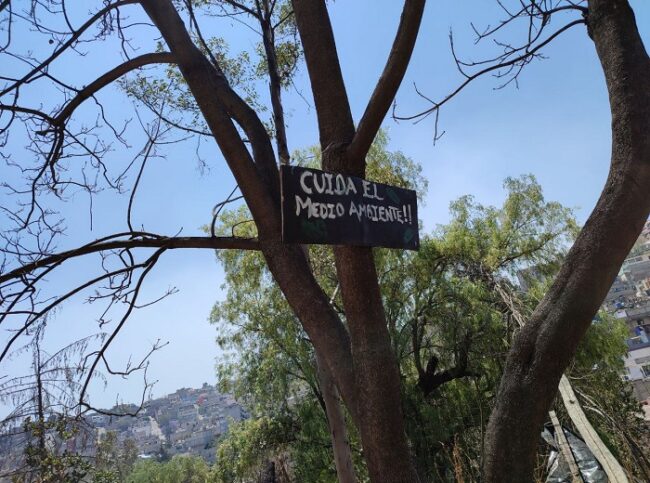
Petr Sharov also participated in the native ecosystem restoration activities in the Ecological Forest National Park in Naucalpan De Juarez. The local activists plant native species, remove exotic plants, and try to make the park more resistant to occasional fires during the dry season. The park like many other natural areas in Mexico does not receive much support from the government. But the caring people are doing what they can to protect it and make it a better place.

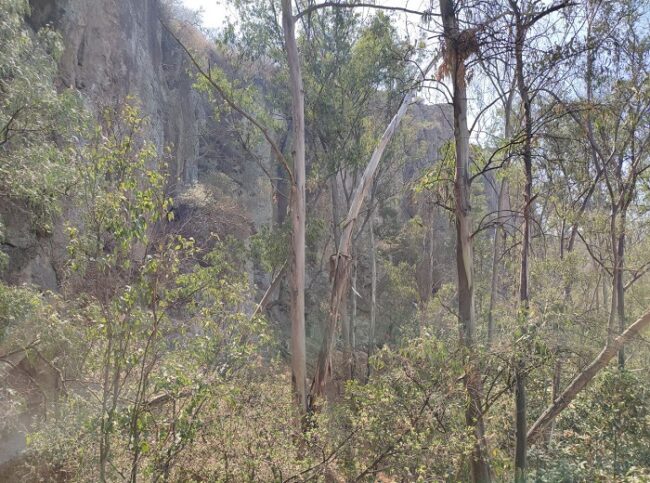
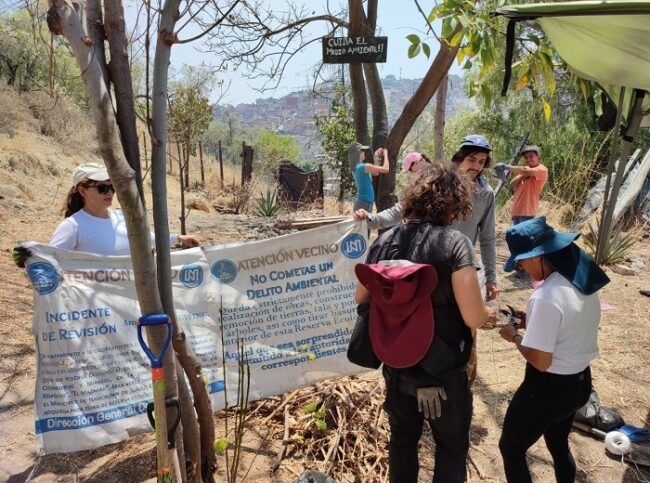
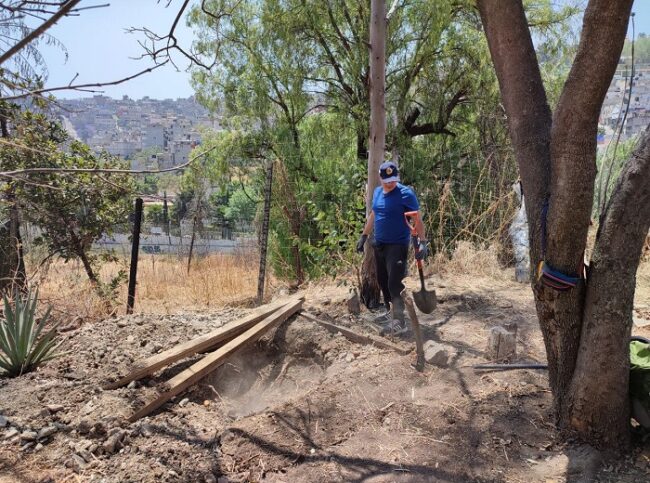
Another action was a cleanup and fire protection activity in the Nature Reserve El Mazapan (Reserva Ecologica «El Mazapan»). The local volunteers take care of this very small piece of wilderness. It is just a hill in between densely populated areas and some people would love to clear a part of it to start building houses. But local activists fight against such plans to preserve the area. The nature reserve is home to a family of owls. El Mazapan is also a very popular place for local rock-climbers.

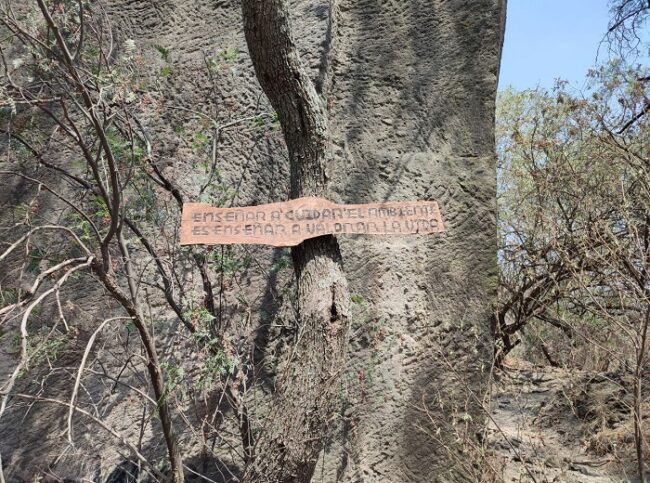
Petr Sharov: “I am glad that my friends let me join and participate in these actions. It is nice to know that in Mexico there are many people who care about nature protection and actively work to make a difference. It is true that for a lot of other people it is difficult to understand. Why volunteer to clean up the area? Because this is your home and the home of your children. Because you should care about your home and keep it safe and clean. Protecting nature means protecting the health of people. If more people care about the problems of pollution and start doing something about it, there will be obvious progress. And the world will be a better place.

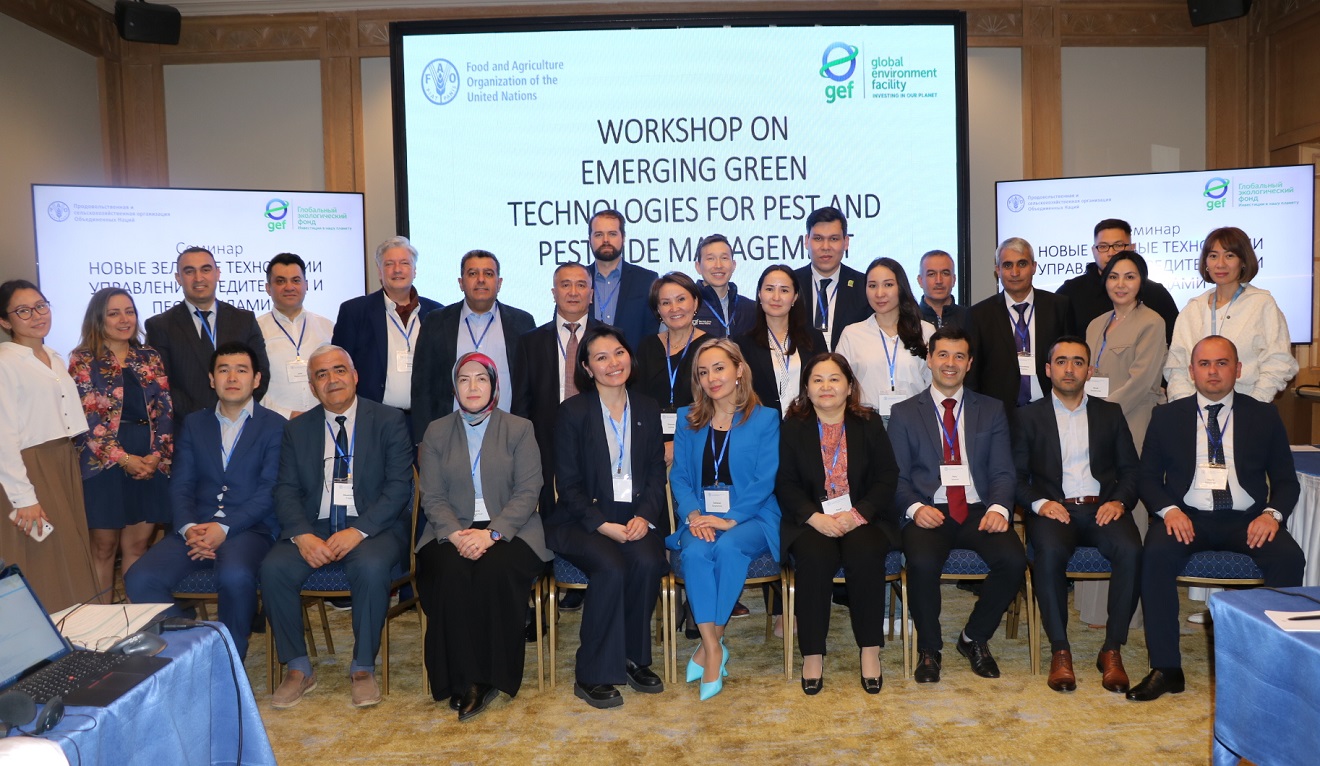
International Workshop on Emerging Green Technologies for Pest and Pesticide Management in Kazakhstan

International Workshop on Emerging Green Technologies for Pest and Pesticide Management in Kazakhstan

The conference was organized by the Food and Agriculture Organization of the United Nations (FAO) and the Ministry of Ecology and Natural Resources of the Kazakhstan Republic as part of the project Pesticides in Central Asian and Turkish Countries" funded by the Global Environment Facility (GEF).

FAO provides assistance to many countries worldwide on sustainable and environmentally friendly agricultural technologies. "Today at the conference, we were discussing the methods available in the world that Kazakhstan farmers could potentially use in the next 10–15 years", said Stefan Robinson, FAO Senior Technical Advisor on Pesticide Management.

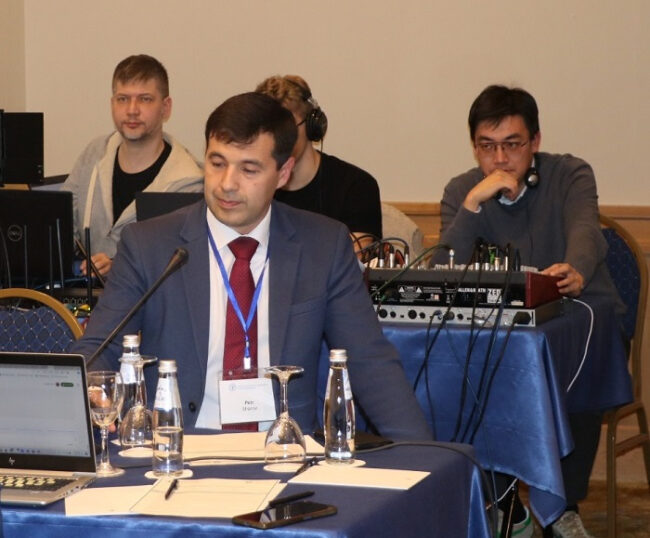
Petr Sharov commented on the event: "The conference was very productive for the exchange of opinions and information between representatives of the governments, international organizations and experts. The issues of pesticides are quite similar in the countries of our region. Therefore, we should use such opportunities to exchange experience and avoid reinventing the wheel.

I found most interesting the presentations about the achievements in bioremediation. Such methods allow cleaning up sites with relatively low concentrations of persistent organic pollutants. In our studies in this and previous projects we found more than 300 such sites that pose threats to the health of people. Most of such sites are in Kazakhstan, Tajikistan, and Azerbaijan. It is very important that now the methods of bioremediation are used to clean up those contaminated areas. It will require much more efforts and coordination between our countries".

Petr Sharov commented on the event

Environmental Research Centre of Khazar University has develop a strategic roadmap one waste management

Then a number of researches and studies carried out in ERC were presented. Employees of the Environmental Research Center, Dr.Rovshan Karimov, Dr. Shahnaz Amanova and Ulkar Mammadli spoke on the topics "Main strategic approaches in electronic waste management", "E-waste management problems in Azerbaijan", "Awareness tests of electronic waste consumers: survey results", respectively. Shahnaz Amanova also made a report with recommendations on the application of "Extended Consumer Responsibility and Advance Disposal Fee in E-Waste Management".

Mehman Nabiyev, a representative from the Ministry of Ecology and Natural Resources of the Republic of Azerbaijan, highlighted the significance of the event and underscored the government's efforts in electronic waste management. The event drew participation from 35 individuals representing 20 organizations, including government bodies, ministries, and agencies.

According to the Khazar University

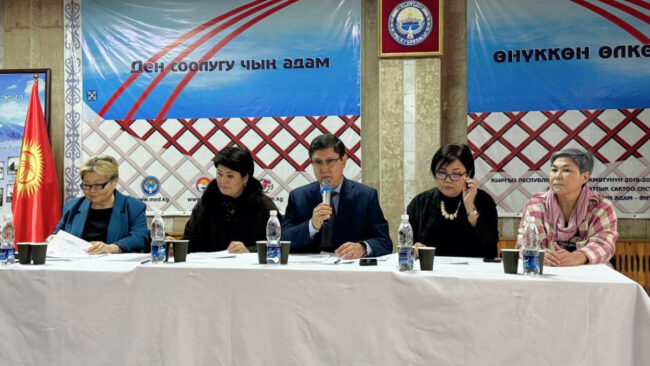
Press-cafe in Bishkek: “Lead Poisoning of Children!”

Press-cafe in Bishkek: "Lead Poisoning of Children!”

Lead poisoning is one of the most acute but under-recognized child health problems of our time. Despite its enormous long-term impacts on health and economy, Kyrgyzstan still does not have any system and lacks technical capacity to effectively identify, treat, and prevent lead poisoning of children.

The Ministry of Health of the Kyrgyz Republic together with "ECOIS-Bishkek" in partnership with Pure Earth and financial support from Takeda Foundation, is launching a five-year project "Strengthening Health Systems to Reduce Lead Exposure". The project is aimed at studying the human health effects of environmental lead pollution and particularly focuses on preschool children as the most vulnerable group. The goal of the project is to protect children from lead poisoning and to establish a public health system to identify, monitor, treat, and reduce children's toxic exposure to lead. In the project the Ministry of Health will develop a system for responding to lead poisoning: representatives of other departments, medical professionals and ordinary citizens will be trained on how to act in such situations. 

The project is also being implemented in Colombia, India, Indonesia, and Peru. All these countries just like Kyrgyzstan lack technical capacity to effectively address the lead poisoning problem.

According to Indira Zhakipova, Program Manager of "Ecois-Bishkek", today no state laboratory conducts testing of biologic media for lead concentrations. The project plans to strengthen the capacity of national laboratories and health systems to monitor concentrations of lead and other heavy metals in blood, urine and other media. 

Zhakipova said: "Last year we bought goods at three markets — in Cholpon-Ata, Osh and Bishkek — to check the lead content. We found no lead in the food, which pleased us very much. But lead was found in ceramic dishes, children's paint and some toys."

The project will help overcome major technical and clinical obstacles and implement effective national actions to monitor and reduce the risks of lead poisoning. Also in partnership with the Ministry of Natural Resources, Ecology and Technical Supervision of the Kyrgyz Republic there will be actions to identify and environmental monitoring the sources of such contamination.