Discussion in Tbilisi of the Biggest Contaminated Area in Georgia
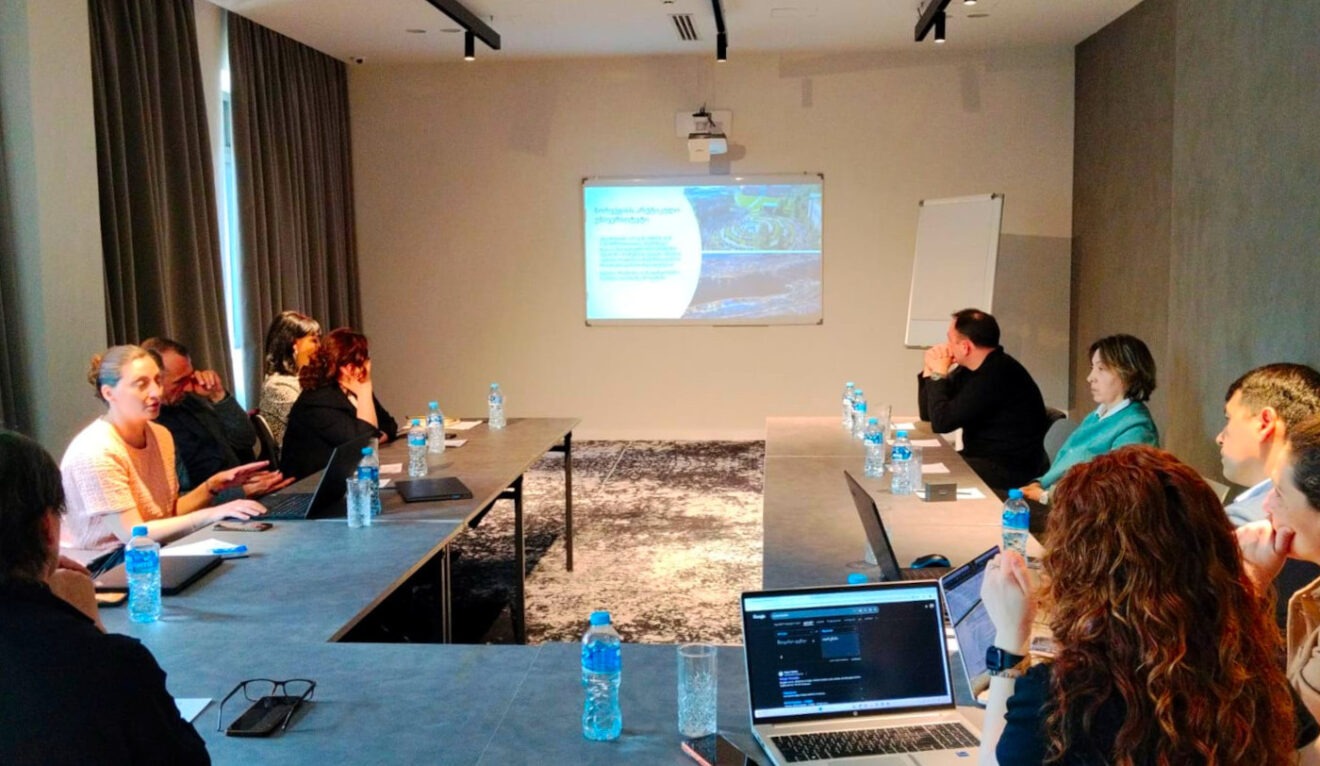
On April 8th, 2026, a workshop was held in Tbilisi to present study findings from one of the most contaminated sites in Georgia: Litafoni, Kutaisi is perhaps the largest contaminated sites in the country, with high levels of lead, mercury, and other heavy metals. The primary goal of the meeting was to discuss the study…
In 2024-2025, the EHPMI team, together with NCDC, TIFO, and other partners, assessed the area of the former Kutaisi Litafoni Factory on the bank of the Rioni River. The Factory started operating in 1939 as the first chemicals enterprise in Georgia. The plant produced white pigments (lithophone, zinc mattress), fillers (micro barite, micro calcite), dyes (oil and water-dispersible), zinc crowns, primers, copper shabiaman, hydraulic fluid, and other industrial products. The company ceased operation after the collapse of the Soviet Union. Thousands of cubic meters of waste and hazardous contamination were left on an area of 13 hectares on the bank of the Rioni River. The contaminated area is easily accessible, without proper fencing. Local residents, including children, pass through the site while walking in the neighborhood, grazing cattle, collecting recyclable materials, and commuting. The Rioni River is used by local residents for fishing and swimming, which poses an additional risk.
The assessment conducted in 2025 identified severe heavy metal contamination at depths up to 4 meters and across the site’s waste disposal areas. Contamination in the areas peripheral to the waste residues is less severe, but still of significant concern. Results for lead, arsenic, mercury, chromium, and other heavy metals routinely exceed Georgian and US soil standards, often by orders of magnitude. For example, average lead concentrations range from 973-5000 mg/kg, 30-156 times the Georgian standard of 32 mg/kg. Average arsenic concentrations range from 78-253 mg/kg, 39-126 times the Georgian standard of 2 mg/kg. Average chromium concentrations range from 236-418 mg/kg, 39-69 times the Georgian standard of 6 mg/kg. Average mercury concentrations range from 20-43 mg/kg, 10-20 times the Georgian standard of 2.1 mg/kg. This contamination poses direct and extreme risks to local residents and may be impacting surface water in the Rioni River and possibly groundwater through infiltration into the aquifer.
The sampling team observed evidence of regular public access to the site, including children. Direct exposures when accessing the site and migration of contamination off-site highlight the urgent need to address ongoing exposures, which pose risks of lifelong, irreversible health impacts, including developmental delays for children, cancers, neurological disease, and kidney, liver, and cardiovascular disease. The study also found that the contamination is spreading in all directions, polluting nearby residential areas and the Rioni River.
The workshop was initiated by EHPMI, NCDC, and UNICEF, and included participation from:
- National Center for Disease Control and Public Health (NCDC)
- UNICEF Georgia
- Lugar Public Health Research Center
- Waste Management Service of Kutaisi Municipality
- Environmental Health and Pollution Management Institute (EHPMI)
- TerraGraphics International Foundation (TIFO)
Key Discussion Points
- Activity Overviews: Following a general introduction, each participant presented their ongoing activities related to investigating lead and other heavy metal sources in Georgia.
- Kutaisi Development Plan: The Head of the Kutaisi Waste Management Service shared an urban development plan which includes the creation of an 88-hectare recreational zone and the strategic development of Kutaisi as a “University City.” The recreational zone includes the area of the Litafoni site. The overall project concept belongs to the Ministry of Regional Development and Infrastructure of Georgia. Details are currently being refined, and the agreement process is underway. It is essential to clean up contamination before proceeding with any construction along the banks of the Rioni River. The study conducted by EHPMI/TIFO/NCDC is very timely and will be vital to helping ensure the environmental safety of the area.
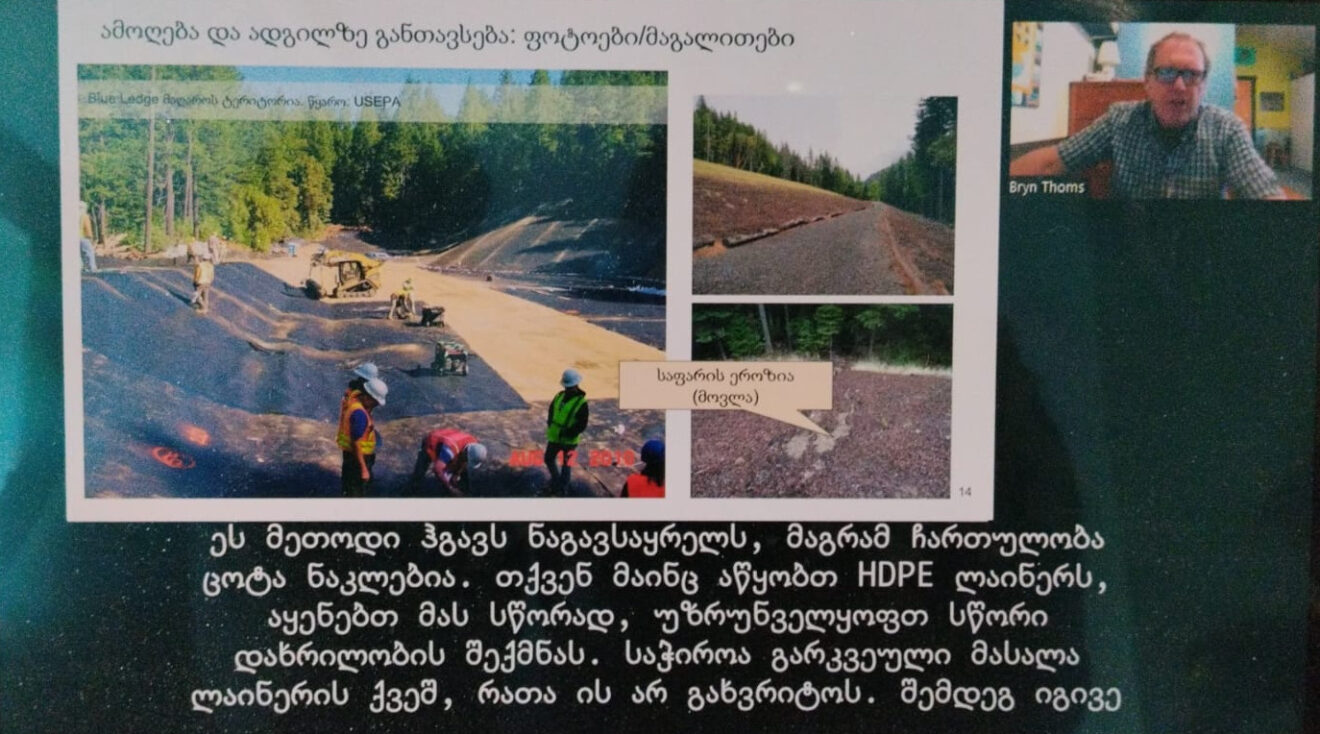
- Expert Insights: TIFO provided detailed technical information on possible remediation options for Litafoni, sharing examples from contaminated site cleanups in other countries.
- Collaboration: The research and remediation options proposed by TIFO/EHPMI will assist the municipality in coordinating future steps. It was also noted that the Environmental Supervision Department is actively involved in the process.
Next Steps / Action Plan
- Sharing Results: Presentations and research analysis will be shared with Kutaisi Municipality and other stakeholders and government agencies for detailed review and presentation to decision-makers.
- Strategic Development: The development of Kutaisi as a University City also encompasses the growth of other territories and is funded by both the state and various donors.
- TIFO/EHPMI will continue supporting the Municipality of Kutaisi by providing expertise in discussing and choosing remediation options.