Blood lead levels in preschool children in the Kyrgyz Republic
In early 2025, the Ministry of Health of the Kyrgyz Republic, the National Institute of Public Health (NIPH), the Department of Disease Prevention and State Sanitary and Epidemiological Surveillance, and the Republican Center for Health Promotion and Mass Communication, together with international partners Pure Earth, Vital Strategies, and ECOIS-Bishkek, completed the first nationwide assessment of…
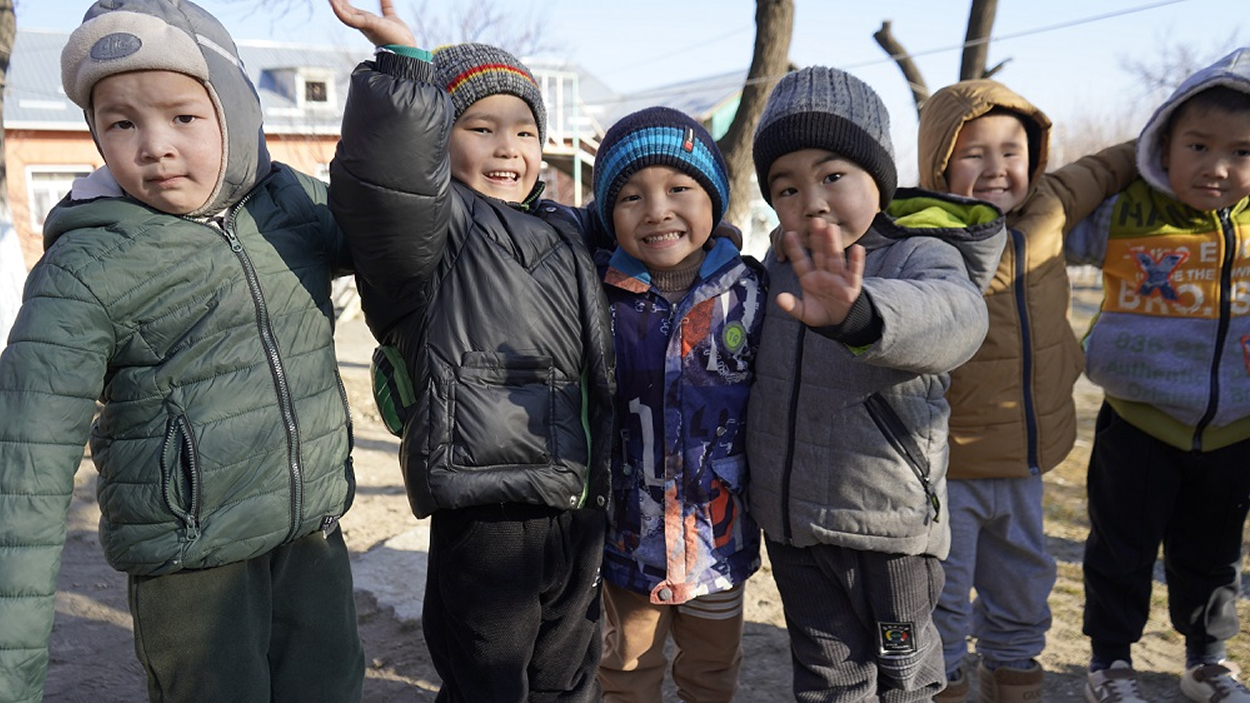
Field teams applied standardized sampling methods and portable analyzers for capillary blood testing, while household surveys helped identify potential exposure sources such as paints, cookware, toys, and proximity to industrial sites. All activities were carried out under approved ethical procedures, and families received guidance based on their individual results.
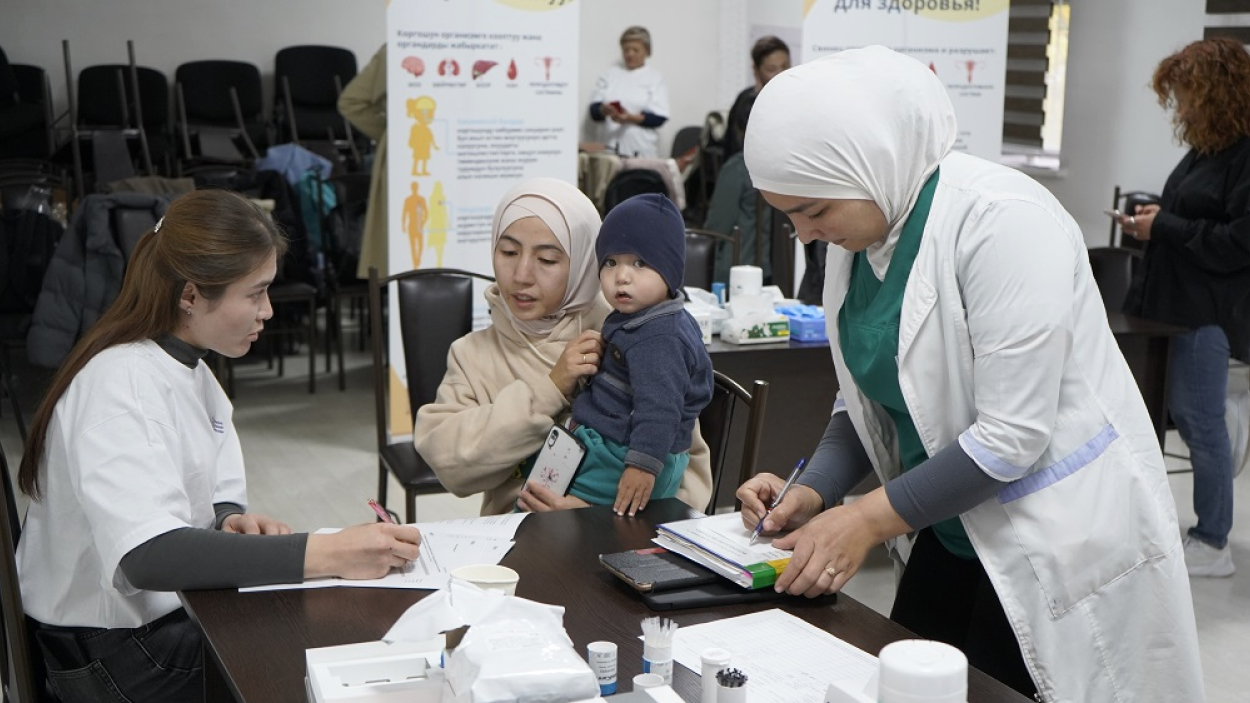
The findings show that elevated blood lead levels are present throughout the country. One in five children (21%) had concentrations above 5 μg/dL, and detectable levels were found in almost half of all participants. Several environmentally affected locations, including Sovetskoye, Ak-Tyuz, and Mailuu-Suu, recorded averages significantly above the national mean. Higher exposure rates were also observed among boys, older children, and those living in rural areas.
Household assessments confirmed the presence of domestic sources of exposure. Lead-containing paints, contaminated cookware, and certain toys were frequently identified, while indoor smoking and parental work in lead-related industries further increased the risk. Residential proximity to industrial facilities was also associated with higher blood lead levels.
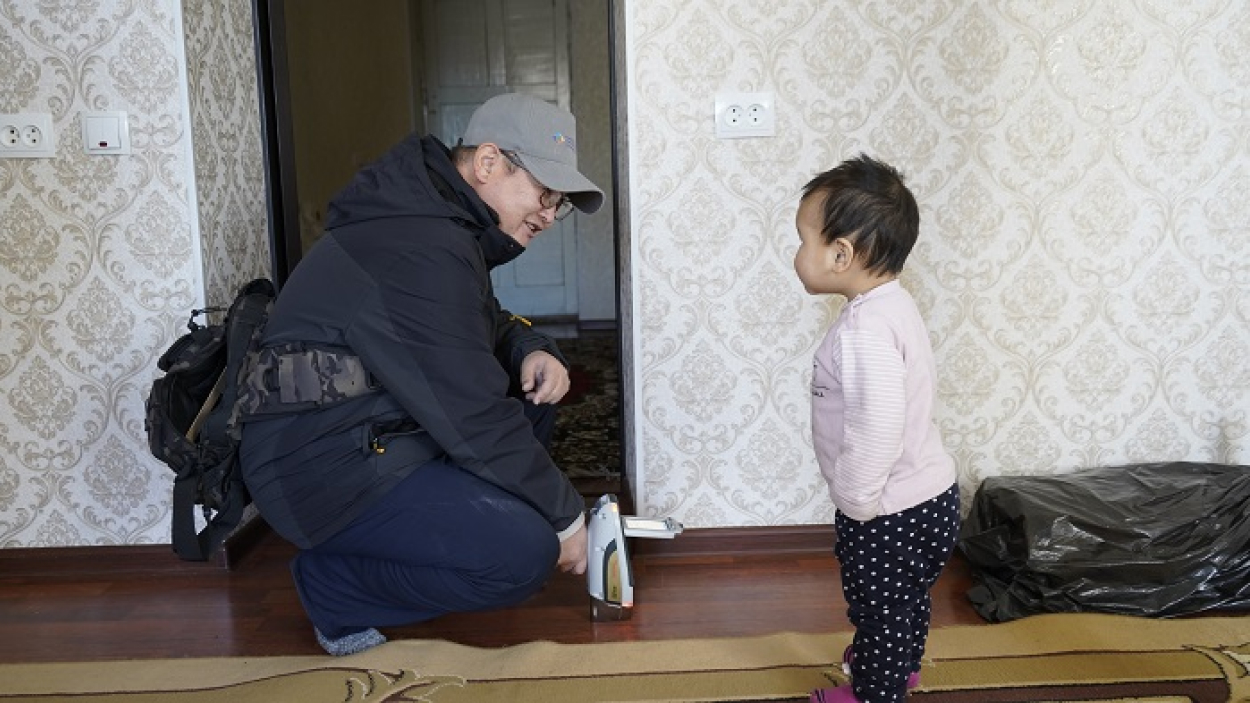
The study revealed low public awareness about the health effects of lead exposure. Given that even minimal amounts of lead can affect a child’s development, increased communication and preventive measures are needed, especially in light of ongoing discussions on expanding mineral resource development in areas involving lead and other heavy metals.
Based on the results, national experts have proposed enhancing the country’s response through the creation of a heavy metals monitoring center at the NIPH, strengthening laboratory and diagnostic capacities, developing clinical treatment guidelines, and reinforcing regulatory oversight of paints and consumer goods. Training healthcare workers and conducting periodic nationwide assessments are also recommended.
With continued cooperation from international partners, further work is planned to support implementation of these measures, strengthen intersectoral coordination, and assist local authorities in reducing exposure risks. The study provides a critical evidence base for future policy actions aimed at protecting the health and development of young children in Kyrgyzstan.