
Lead Poisoning of Children in Shymkent and Proposed Solutions
On October 30, 2025, a Roundtable Discussion on “Results of the Study on Lead Contamination in Soil and Joint Solutions” was held in Shymkent, Republic of Kazakhstan. The purpose of the meeting was to discuss the current situation with high levels of contamination of soil with lead and other heavy metals in Shymkent and how…
The roundtable was organized by Human Health Institute (HHI) and gathered representatives of government agencies, non-governmental organizations, international organizations, and scientists. The list of participants included: UNICEF, South Kazakhstan Medical Academy, TerraGraphics International Foundation (TIFO), Environmental Health Project Management Institute (EHPMI), Department of Architecture of Shymkent, Ekois-Bishkek and other organizations.
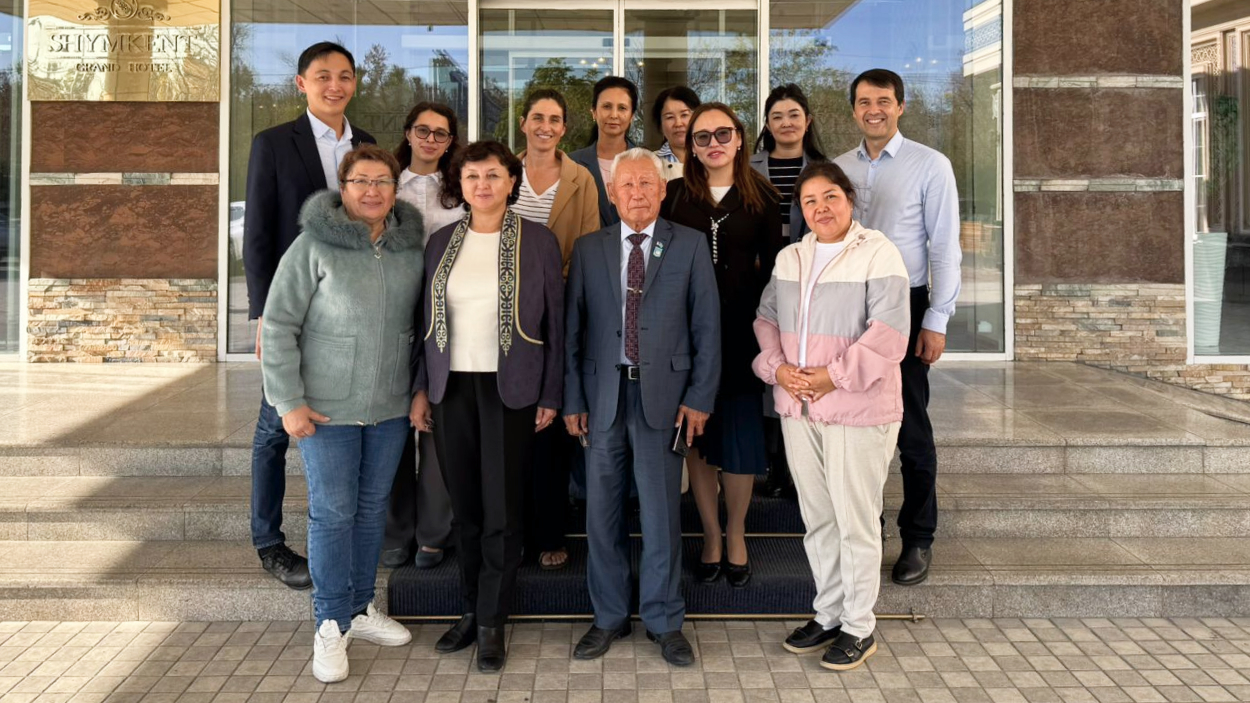
During the meeting, the participants presented research findings on the assessment of soil contamination levels and the impact of lead exposure on public health:
- Dr. Gulzhan Dosybaeva, MD, Acting Professor and Head of the Family Medicine Department No. 2 at the South Kazakhstan Medical Academy, delivered a presentation titled “Assessment of Lead Intoxication in Shymkent Based on Clinical and Experimental Data.”
- Anna Statyvkina, Climate Change Program Coordinator at UNICEF Kazakhstan, presented “Realizing the Child’s Right to a Clean, Healthy and Sustainable Environment in the Republic of Kazakhstan.”
- Casey Bartrem, Executive Director of TerraGraphics International Foundation, addressed the issue of soil contamination with lead and other heavy metals in Shymkent.
- Petr Sharov, Director of EHPMI, presented approaches to assessing and reducing the risk of lead poisoning among children.
- Aidar Kapassov, Director of Human Health Institute, analyzed current environmental protection plans and measures.
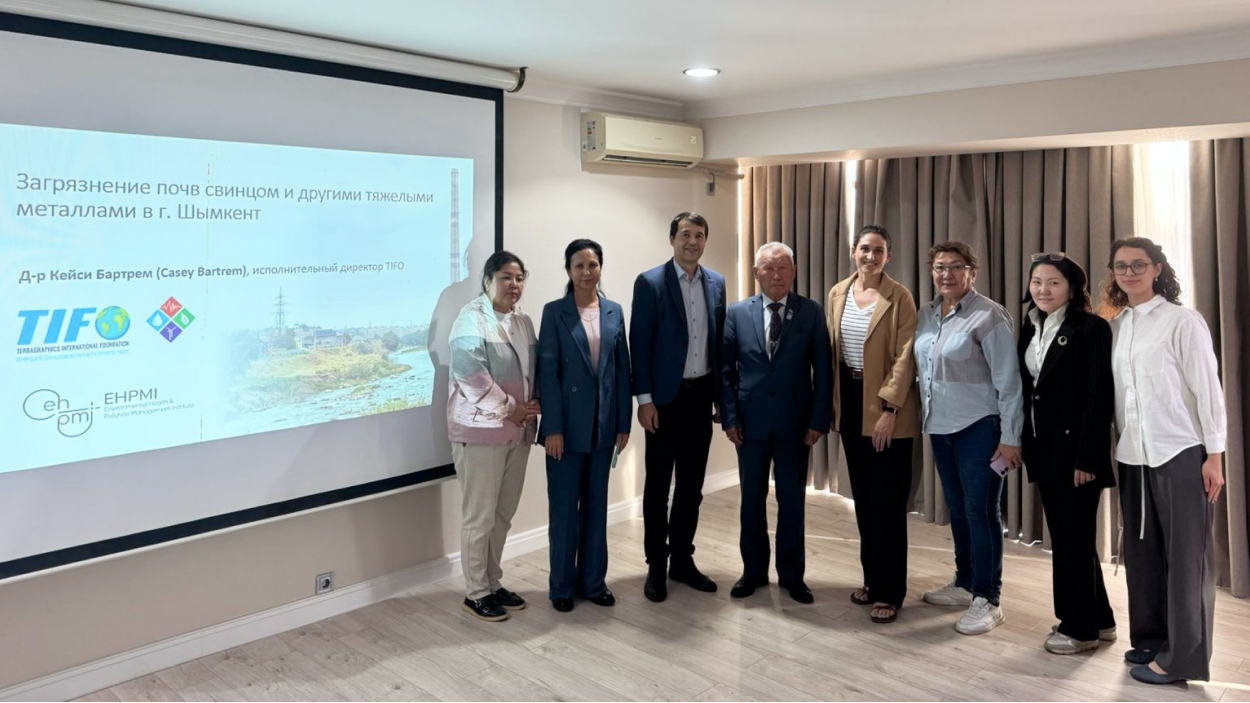
In concluding the roundtable, participants emphasized the importance of continued intersectoral collaboration, increased government engagement, enhanced environmental monitoring, developing pilot remediation plans, public awareness raising, and the development of comprehensive measures to reduce lead exposure, especially among children.
The discussion confirmed that soil contamination with lead and other heavy metals remains at a high level in Shymkent, posing a serious threat to public health, particularly to children.
Participants underlined the need to develop and implement a comprehensive program aimed at mitigating lead exposure and improving the environmental situation. Such a program should include: regular environmental monitoring, remediation of contaminated areas (especially playgrounds, school and kindergarten territories), child health surveillance, and promotion of environmental education and awareness.
Effective implementation of these measures requires coordinated efforts between governmental bodies, research institutions, and non-governmental organizations.
EHPMI, TIFO, and HHI expressed readiness to provide expert and methodological support in the development and implementation of integrated environmental programs.
The session also addressed issues related to improving environmental planning practices in accordance with the Environmental Code of the Republic of Kazakhstan.
Participants noted the need to:
- clarify timelines for the coordination and approval of environmental action plans,
- enhance the effectiveness of environmental payments, particularly in subsidized regions, and
- broaden the scope of funding priorities to ensure a comprehensive approach to environmental protection.

The recommendations and proposals adopted as a result of the roundtable will contribute to strengthening interagency cooperation and developing systemic solutions to mitigate the impact of lead and other heavy metals on public health and the environment.